English
  Français
  Español


Content
What Are Boiler Finned Tubes?
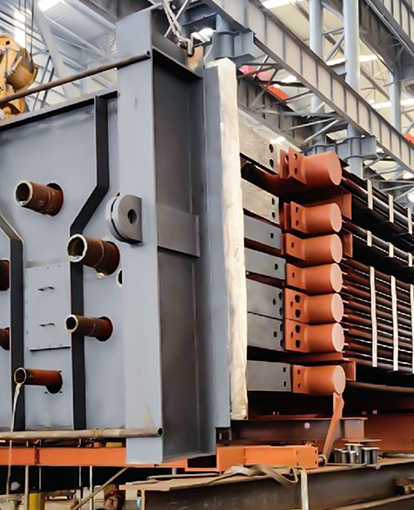
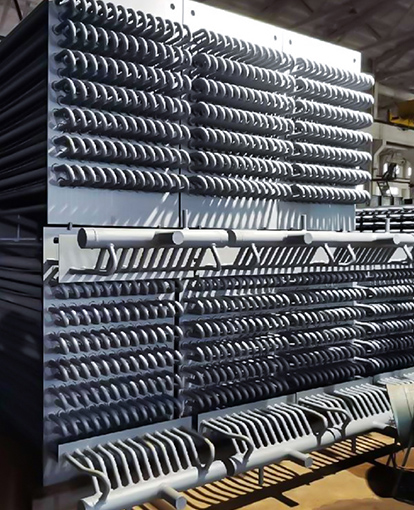
Boiler finned tubes are essential components in heat exchange systems. These tubes feature fins or external ribs, which increase the surface area, allowing for better heat transfer efficiency. They are commonly used in industrial boilers and heat exchangers to improve heat absorption and enhance overall thermal performance. Finned tubes are typically made from metals like steel or aluminum, selected for their high thermal conductivity properties.
The primary function of a finned tube is to optimize heat exchange between the fluid passing through the tube and the surrounding air or other fluid. This increased surface area helps to maximize energy transfer, thus making systems more efficient.
Types of Boiler Finned Tubes
There are several types of boiler finned tubes, each designed to meet specific application needs. The most common types include:
- Plain Finned Tubes: These tubes have simple, evenly spaced fins attached to the surface for basic heat transfer enhancement.
- Spiral Finned Tubes: These feature fins wrapped in a spiral pattern around the tube, offering increased heat transfer efficiency and resistance to fouling.
- Extruded Finned Tubes: In these tubes, the fins are created by extrusion, allowing for a greater fin height and surface area compared to other designs.
- Lanced Finned Tubes: These tubes have fins that are mechanically punched out of the tube itself, making them highly cost-effective.
Applications of Boiler Finned Tubes
Boiler finned tubes are used in various applications, particularly in industries where heat exchange is critical. Some of the main applications include:
- Power plants: Boiler finned tubes are used in steam generation systems to enhance heat exchange efficiency, thus improving energy production.
- Waste Heat Recovery Systems: These systems utilize finned tubes to capture heat from exhaust gases and transfer it back into the system, improving energy efficiency and reducing waste.
- Industrial heating: Many manufacturing processes require large amounts of heat, and finned tubes help optimize the heating process by providing efficient heat transfer.
- HVAC systems: Finned tubes are also used in heating, ventilation, and air conditioning systems to improve thermal performance and energy efficiency.
Advantages of Using Boiler Finned Tubes
Boiler finned tubes offer several benefits that contribute to their widespread use in industrial applications:
- Increased Heat Transfer Efficiency: The fins increase the surface area, which enhances the heat exchange process, ensuring more efficient energy use.
- Space Optimization: Finned tubes allow for efficient use of space, making them ideal for compact systems.
- Corrosion Resistance: Many finned tubes are designed to resist corrosion, which is essential in harsh environments where high heat and moisture are present.
- Cost-effectiveness: Finned tubes are relatively inexpensive to manufacture and can deliver significant energy savings over time, making them an affordable solution for many industries.
Challenges and Considerations
While boiler finned tubes offer numerous benefits, they also come with certain challenges that must be considered when choosing the appropriate type for a specific application:
- Maintenance Requirements: The fins can accumulate dirt and debris, which can reduce efficiency. Regular cleaning is necessary to maintain optimal performance.
- Design Compatibility: Finned tubes must be selected based on the specific heat transfer requirements and space constraints of the system, which can complicate the selection process.
- Durability: In certain extreme conditions, finned tubes may face issues with wear and tear, requiring careful material selection to ensure long-term durability.
Conclusion
Boiler finned tubes are a key component in enhancing heat transfer in boilers and heat exchangers. With their ability to increase surface area and improve efficiency, they play a vital role in optimizing energy use in industrial systems. By selecting the right type of finned tube for a specific application and addressing challenges like maintenance and durability, industries can significantly enhance their thermal performance and energy savings.
Key Takeaways
- Finned tubes are essential for improving heat transfer in industrial applications like boilers and heat exchangers.
- They come in different types, such as plain, spiral, extruded, and lanced, each suitable for various operational conditions.
- Using finned tubes offers increased energy efficiency, reduced energy costs, and space optimization.