English
  Français
  Español


Content
Core Function and Efficiency Impact
Heat Recovery Steam Generators serve as the critical bridge between gas and steam turbine cycles in combined cycle power plants. These systems capture thermal energy from gas turbine exhaust gases—typically ranging from 500°C to 600°C—and convert it into high-pressure steam that drives additional power generation. The integration of HRSG technology elevates overall plant efficiency from approximately 35-40% in simple cycle operation to over 60%, with advanced configurations achieving up to 62% net efficiency [^1^].
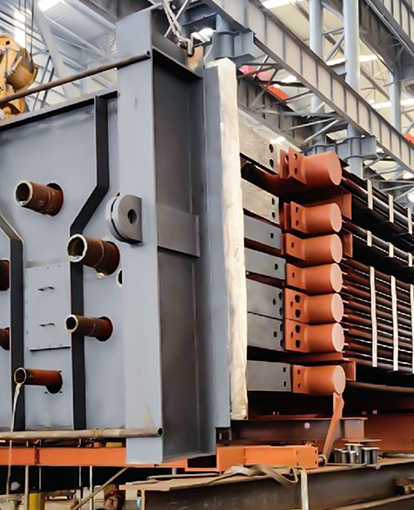
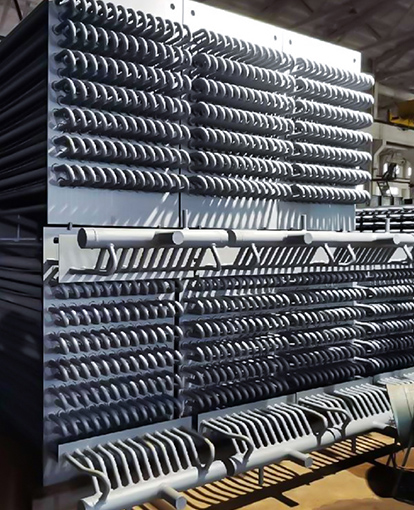
The fundamental principle involves channeling exhaust gases through a series of heat exchange surfaces including economizers, evaporators, and superheaters. As hot gases pass through these components, heat transfers to water, converting it into steam that powers a steam turbine. This dual-cycle approach enables combined cycle plants to extract significantly more energy from the same fuel input compared to single-cycle gas turbine plants.
Thermal Performance and Configuration Options
HRSG configurations directly impact combined cycle performance. Single-pressure systems represent the simplest design but deliver the lowest efficiency, while multi-pressure configurations optimize heat recovery across different temperature ranges. Triple-pressure HRSG systems with reheat capabilities can improve combined cycle efficiency by 7.2% compared to single-pressure designs, reducing the cost of electricity from $48.13/MWh to $45.79/MWh [^16^].
| HRSG Configuration | Combined Cycle Net Efficiency | Cost of Electricity ($/MWh) | Efficiency Improvement |
|---|---|---|---|
| Single-Pressure | 50.0% | 48.13 | Baseline |
| Dual-Pressure | 52.25% | 46.39 | +4.5% |
| Triple-Pressure with Reheat | 53.6% | 45.79 | +7.2% |
Operating parameters significantly affect HRSG performance. Every 10°C increase in evaporator pinch point temperature difference reduces net combined cycle power output by 0.17% in triple-pressure systems and 0.54% in single-pressure configurations. Conversely, each 10-bar increase in inlet pressure boosts power output by 0.29% in optimized triple-pressure designs [^16^].
Design Variations and Installation Considerations
Horizontal Drum Configuration
Horizontal drum HRSGs dominate the market with approximately 59.4% market share due to their compact footprint and maintenance accessibility [^6^]. The horizontal orientation facilitates easier integration into existing facilities where space constraints exist, while providing superior steam separation capabilities and handling higher pressure applications effectively.
Vertical Drum Configuration
Vertical drum designs occupy less floor space and suit retrofit projects or installations where height clearance allows. These configurations reduce gas path length, potentially enhancing heat recovery efficiency in specific setups. Vertical units typically serve lower pressure and temperature applications compared to horizontal counterparts.
Modular and F-Class Systems
Modern modular HRSG designs enable faster installation and scalability. F-class HRSG boilers specifically accommodate high-temperature exhaust from large gas turbines, supporting the highest efficiency combined cycle operations. These advanced systems enable combined cycle plants to achieve thermal efficiencies exceeding 60% while reducing mass emissions by more than 50% compared to older thermal units [^3^].
Operational Modes and Applications
Combined cycle power plants represent the largest HRSG application segment, accounting for nearly 70% of market revenue [^7^]. This dominance stems from the superior economics and environmental performance these systems deliver compared to simple cycle alternatives.
Pure Power Generation
In standard combined cycle configuration, the HRSG generates steam exclusively for electricity production. A typical 600 MW combined cycle plant configuration includes gas turbines producing 285.8 MW each, with the HRSG and steam turbine adding approximately 256 MW of additional capacity. The HRSG contribution represents roughly 31% of total plant output, demonstrating its substantial impact on overall generation capacity [^13^].
Cogeneration Applications
Cogeneration or combined heat and power configurations utilize HRSGs to simultaneously produce electricity and process steam. These systems achieve overall energy efficiencies of 80-90% by capturing heat that would otherwise dissipate [^19^]. Industries with substantial thermal requirements—chemicals, pulp and paper, food processing, and refineries—leverage cogeneration to optimize energy utilization and reduce operating costs.
Supplementary Firing
Some installations incorporate duct burners within the HRSG to increase steam production during peak demand periods. This supplementary firing raises exhaust gas temperatures—typically limited to 675°C to prevent economizer tube damage—and boosts steam turbine output independently of gas turbine operation.
Environmental and Economic Benefits
HRSG integration delivers measurable environmental advantages beyond efficiency gains. Combined cycle plants utilizing HRSGs emit significantly less carbon dioxide per megawatt-hour than single-cycle gas turbines or coal-fired plants. A recent installation at Taiwan Power Company's Hsinta plant reduced emissions by 60% while delivering 1.3 gigawatts of capacity, replacing older coal-fired units [^6^].
Water consumption represents another environmental consideration. HRSGs consume substantially less water than conventional steam generation methods, enhancing resource efficiency in water-constrained regions. The closed-loop design minimizes makeup water requirements while maintaining high thermal performance.
From an economic perspective, HRSG-equipped combined cycle plants offer compelling returns. The capital cost premium for adding an HRSG and steam turbine to a gas turbine installation typically ranges from 10-15%, while the additional power output increases by 40-50%. The payback period for HRSG investment generally falls within 3-5 years depending on fuel prices and capacity factors.
Maintenance and Performance Optimization
HRSG performance degrades over time due to fouling, corrosion, and tube degradation. Regular monitoring and maintenance protocols ensure sustained efficiency. Key performance indicators include:
- Stack temperature excess over design values
- Steam production rates at specified gas turbine loads
- Pressure drop across heat exchange surfaces
- Water chemistry parameters and tube integrity
Operational data from existing plants demonstrates performance variations between units. Analysis of two identical HRSG units at a combined cycle facility revealed efficiency differences of 6.58%—79.95% versus 86.53%—highlighting the impact of maintenance practices and operating conditions on actual performance [^17^].
Water quality management proves critical for HRSG longevity. Offshore installations with 20-plus years of operation have experienced corrosion and tube fatigue primarily attributed to water chemistry issues rather than design limitations [^5^]. Proper water treatment and adherence to operational procedures prevent these degradation mechanisms.
Market Trends and Future Outlook
The global HRSG market reached approximately $1.26 billion in 2024 and projects growth to $1.98 billion by 2034, representing a compound annual growth rate of 4.60% [^15^]. This expansion reflects continued investment in efficient power generation infrastructure and industrial cogeneration systems.
Regional markets show varying growth patterns. The Asia Pacific region leads with 42.1% market share, driven by rapid industrialization and energy infrastructure development [^6^]. North America follows with significant investment in replacing aging coal capacity with efficient natural gas combined cycle plants.
Technology advancement focuses on several areas:
- Advanced materials for higher temperature operation and corrosion resistance
- Digital monitoring systems enabling predictive maintenance
- Modular designs reducing installation time and enabling faster deployment
- Integration with renewable energy sources and hydrogen-capable gas turbines
Recent developments include HRSG systems designed for hydrogen co-firing and carbon capture integration, positioning the technology for continued relevance in decarbonizing power generation [^15^]. These innovations ensure HRSGs remain central to efficient, low-emission power generation strategies through the energy transition.