English
  Français
  Español


Content
What Is a Heat Recovery Steam Generator?
A combined-cycle power plant can surpass 60% thermal efficiency—a figure largely made possible by the heat recovery steam generator (HRSG). An HRSG is a high-capacity heat exchanger that captures waste heat from a gas turbine or an industrial process and uses it to generate steam without burning additional fuel. Essentially, it turns thermal energy that would otherwise escape through the stack into valuable steam for power generation, process heating, or district energy.
The working principle follows the thermodynamic logic of energy cascading. Hot exhaust gas, typically between 450 °C and 650 °C, flows over banks of finned tubes. Water circulates inside those tubes, absorbs the heat, and gradually transforms into steam. The pressure and temperature of the produced steam depend on how the HRSG is configured—whether it targets saturated steam for process use or superheated steam to drive a steam turbine.
Key Components of an HRSG
An effective HRSG is not a single piece of equipment but an integrated system of distinct heat-absorbing sections. Understanding each component helps engineers evaluate performance and maintenance requirements.
Economizer
The economizer sits at the coldest end of the exhaust gas path. Its job is to preheat the boiler feedwater before it enters the evaporator. By lowering the final exhaust temperature, the economizer boosts overall thermal recovery by 3–5 percentage points. Learn more about boiler economizer types and functions and how they reduce fuel consumption.
Evaporator
Here, the preheated water receives the bulk of the thermal energy and vaporizes into saturated steam. The evaporator usually consists of a tube bundle connected to a steam drum that separates steam from water and maintains proper circulation.
Superheater
When dry, high-pressure steam is needed—for example, to spin a steam turbine—one or more superheater sections raise the steam temperature above saturation point. This prevents droplet erosion in the turbine and improves Rankine cycle efficiency.
Steam Drum and Circulation System
The steam drum acts as the central reservoir for water-steam separation and controls the water level. Depending on the plant's operating profile, the HRSG uses either natural circulation (driven by density differences) or forced circulation with pumps to move water through the evaporator tubes.
Types of Heat Recovery Steam Generators
No single HRSG design fits every heat source. Engineers choose among several configurations based on the available exhaust temperature, the required steam parameters, and the plant’s operating philosophy. The table below summarizes the most common pressure-level categories.
| Pressure Level | Steam Output | Best Suited For |
|---|---|---|
| Single pressure | Saturated steam up to 20 bar(g) | Process heating, small industrial cogeneration |
| Dual pressure | HP + LP steam for steam turbine cycles | Mid-size combined-cycle plants |
| Triple pressure with reheat | HP, IP, LP steam with reheater | Large utility-scale CCPPs aiming for maximum efficiency |
Natural Circulation vs. Forced Circulation
Natural circulation HRSGs rely on thermal siphoning and are simpler to control during steady-state operation. Forced circulation designs, which use pumps, provide better responsiveness during frequent start‑stop cycles and when the exhaust gas flow fluctuates—common in peaking plants or behind cogen engines.
Supplementary Firing
Some HRSGs include duct burners that raise the exhaust gas temperature before it reaches the tube bundles. Supplementary firing increases steam output and stabilizes production during periods of low gas turbine load, but it adds fuel consumption and NOₓ emissions. The decision to include firing hinges on the plant’s turndown requirements and steam‑demand profile.
Applications Beyond Power Plants
While HRSGs are most often associated with combined-cycle gas turbine plants, their heat-recovery principle is just as valuable in heavy industry. Cement kilns, chemical reactors, glass furnaces, and waste‑incineration facilities all produce high‑temperature exhaust that can be fed into a purpose‑designed waste heat boiler.
For example, in a cement plant, the preheater exhaust can reach 350 °C; an industrial HRSG can convert that thermal energy into steam for drying raw materials or generating electricity via an ORC turbine. Similarly, in waste‑to‑energy plants, a waste heat boiler designed for waste treatment plants recovers energy while helping meet emission‑control requirements.
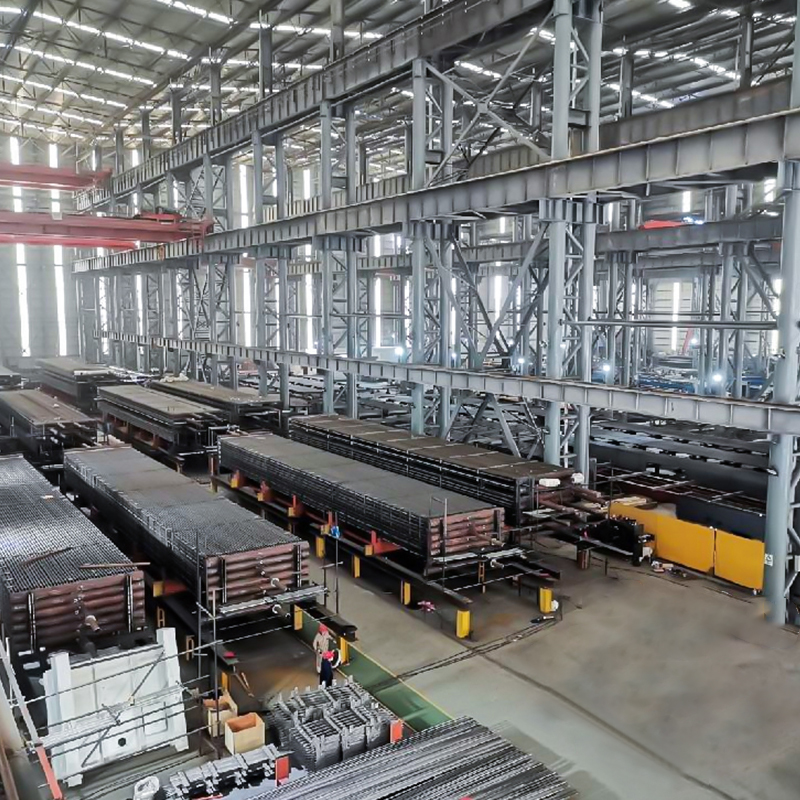 Waste Heat Boilers in Waste Incineration TreatmentAs Waste Incineration Treatment Waste Heat Boilers Suppliers and Factory in China, Jinker offer Custom Waste Heat Boilers in Waste Incine...View Product →
When a plant needs a robust solution for diverse thermal sources, an industrial waste heat boiler solution provides the flexibility to handle flue gases from different processes with varied temperature and dust‑loading profiles.
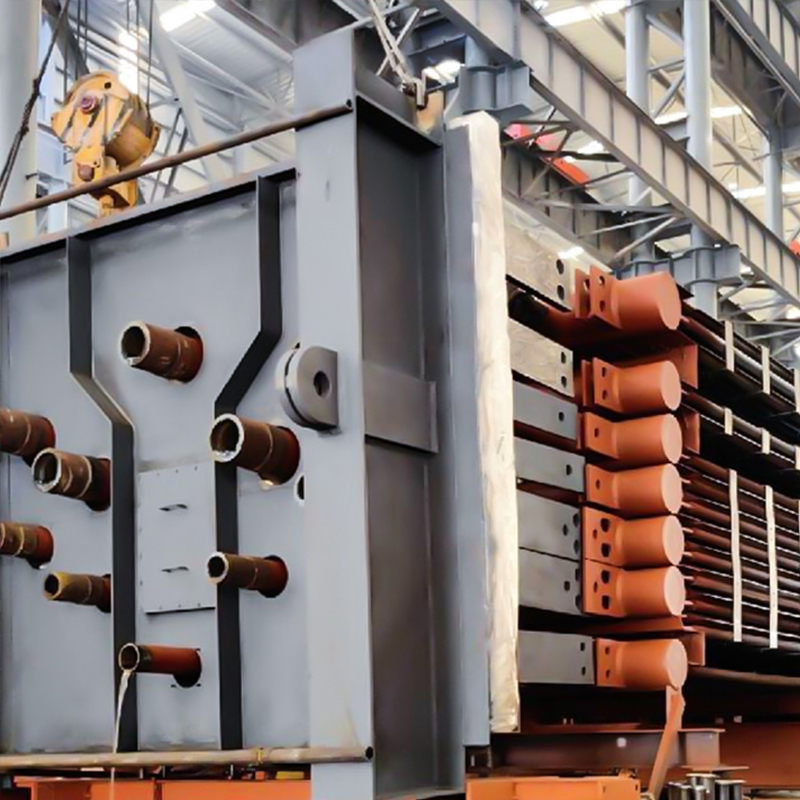 Industrial Waste Heat Boilers Suppliers, Industrial Boilers FactoryAs Industrial Waste Heat Boilers Suppliers and Industrial Waste Heat Boilers Factory in China, Wuxi Jinker offer Custom Industrial Waste...View Product →
How to Select the Right HRSG: A Practical Checklist for Engineers
Choosing an HRSG model requires evaluating more than just thermal efficiency. A system that maximizes heat recovery but creates excessive back‑pressure on the upstream turbine can reduce net power output. Use the following checklist to align the HRSG with plant‑specific conditions.
1. Quantify the Exhaust Stream
Start with the full data set: mass flow (kg/s), inlet temperature, and flue‑gas composition. Dust, sulfur, and moisture levels dictate whether corrosion‑resistant materials or wide‑pitch tube arrangements are necessary.
2. Define the Steam Requirements
Is the steam needed for power generation, direct process injection, or a combination? The required pressure and superheat temperature determine the number of pressure levels and the presence of a superheater.
3. Evaluate Space and Layout Constraints
Vertical‑flow, horizontal‑flow, and modular packaged HRSG designs each impose different footprint and ducting requirements. In retrofit situations, a compact modular unit may be the only workable choice.
4. Align Finned Tube Geometry with Gas Conditions
The type of finned tube directly impacts both heat transfer and service life. When flue gas contains high particulate loads, selecting an H‑type finned tube with large fin spacing reduces the risk of fouling and simplifies cleaning. For cleaner exhaust streams, spiral‑wound finned tubes offer higher heat transfer per meter of tube. A detailed comparison is available in our analysis of H‑type finned tube performance characteristics.
5. Consider the Full Integration Picture
A waste heat boiler rarely works in isolation. The interaction with upstream processes, feedwater treatment, and steam distribution must be examined. For a thorough approach, read our practical guide to integrating waste heat boiler and economizer.
Getting the Most Out of Your Heat Recovery Steam Generator
A well‑matched HRSG turns an otherwise wasted exhaust stream into a reliable energy asset. The key is to match the pressure architecture and tube material to your specific exhaust conditions rather than defaulting to a one‑size‑fits‑all design. Start with a thorough heat‑source audit, prioritize operational flexibility where load swings are frequent, and invest in the right finned‑tube geometry to minimize maintenance downtime. With those fundamentals in place, an HRSG can deliver decades of high‑efficiency service across power generation and industrial applications alike.