-
+86-15669958270
-
-


Select the product you want
Rated Evaporation Capacity | 2-35 t |
| Rated Steam Pressure | 1.25-3.82 MPa |
| Rated Steam Temperature | 184-450°C |
| Feedwater Temperature | 20-105°C |
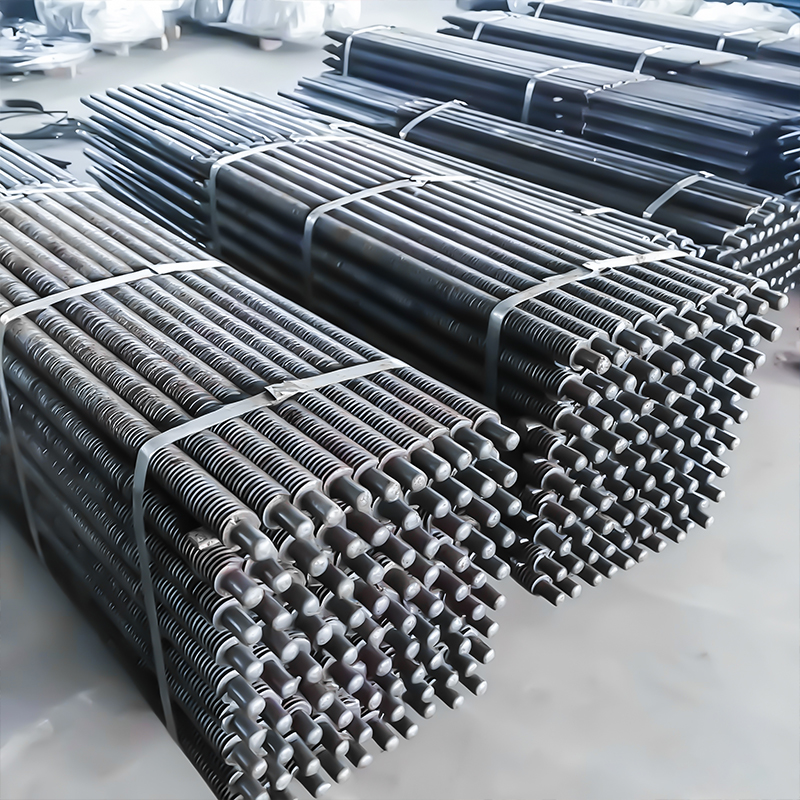
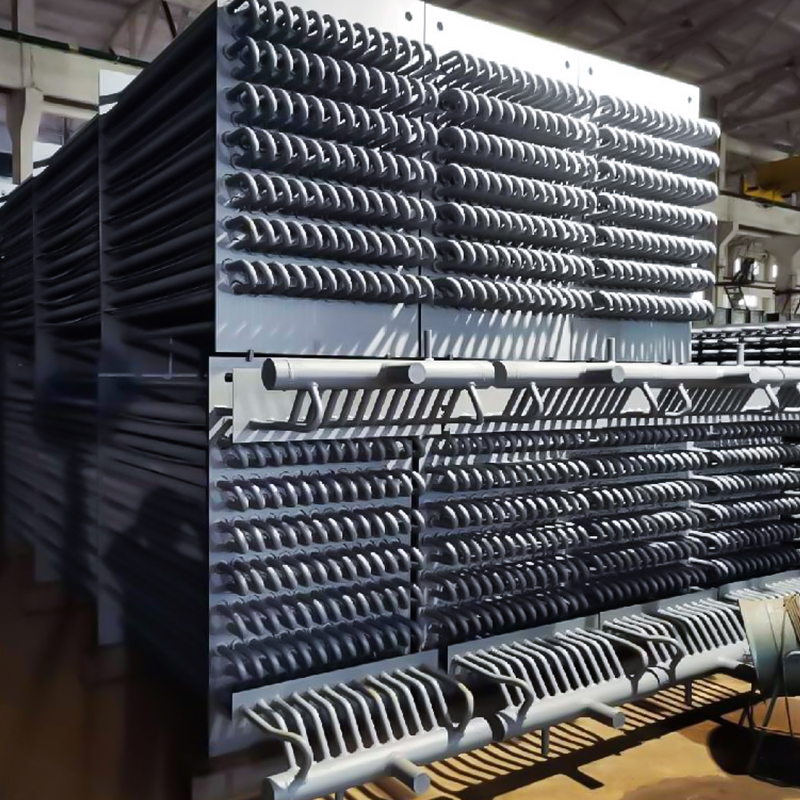
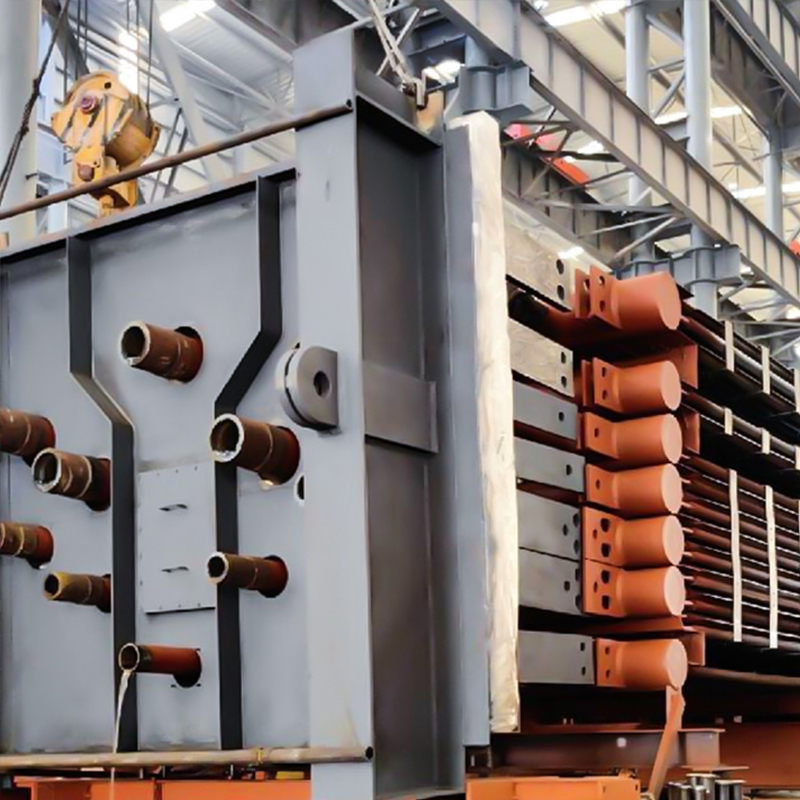
Waste heat boilers in this sector emphasize pollution resistance and environmental compatibility. In waste incineration, flue gas contains corrosive components such as chlorine and sulfur, as well as fly ash. Therefore, boilers must be constructed of corrosion-resistant materials (such as ND steel) and designed with specialized heating surface structures (such as spiral finned tubes) to reduce ash accumulation and corrosion. High-efficiency dust removal and deacidification devices must also be installed to ensure flue gas emissions meet standards. In the renewable energy sector (such as biomass power generation and photovoltaic/solar thermal power generation), waste heat often comes from biomass combustion flue gas (which contains alkali metals and is prone to coking) or low-temperature waste heat from solar thermal systems. Boiler furnace designs must be optimized to suit the fuel characteristics. For example, biomass waste heat boilers can incorporate decoking devices, while photovoltaic/solar thermal power generation boilers focus on efficient recovery of low-temperature waste heat (such as low-parameter steam designs adapted for the Organic Rankine Cycle (ORC)). These boilers balance environmental protection with the specificities of renewable energy utilization, helping to achieve the dual goals of "waste resource utilization" and "clean energy complementation."
You may also like
About us


Cover An Area

Factory Area

Employees

Export Countries
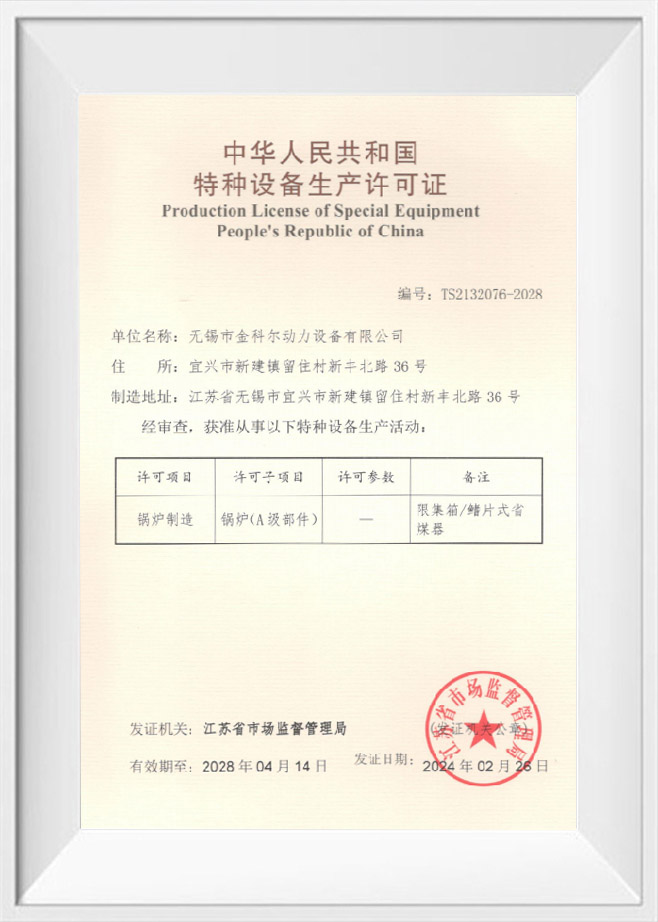
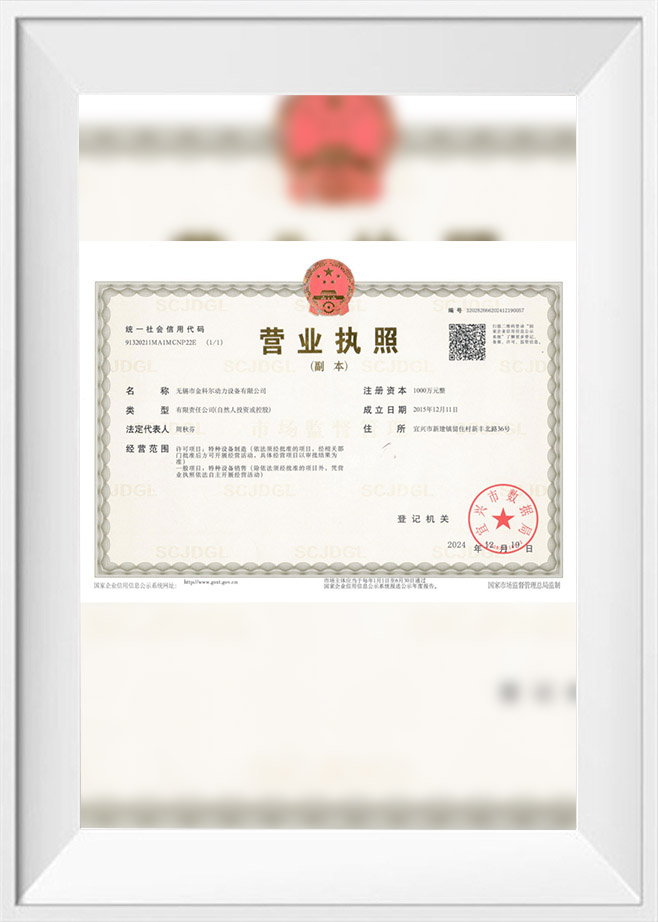
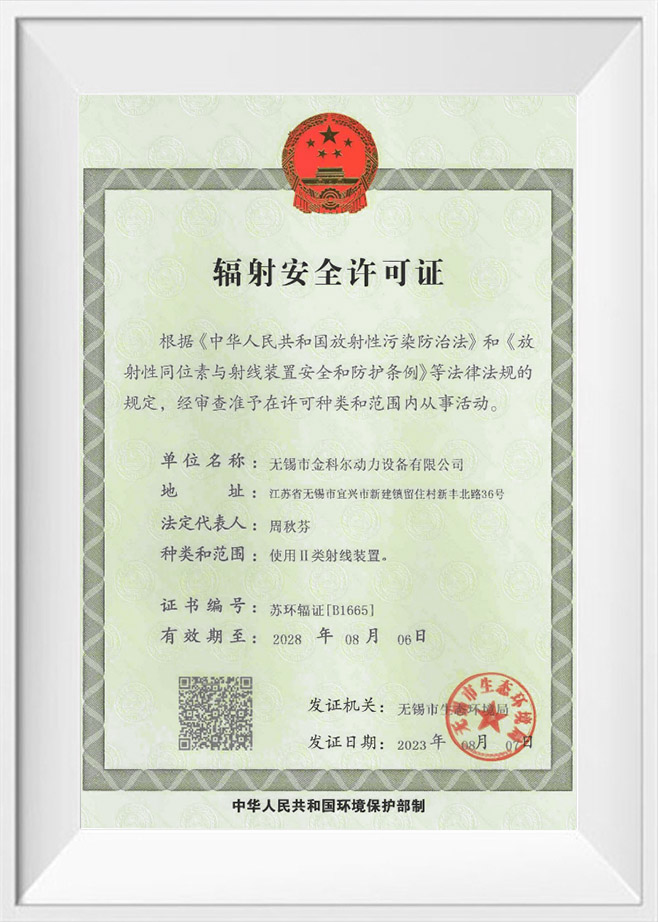
certificate
NEWS
In modern waste incineration treatment plants, Waste Heat Boilers in Waste Incineration Treatment play a pivotal role in energy recovery. By capturing residual heat from flue gases, these boilers convert otherwise lost energy into useful steam, which can be utilized for power generation or industrial processes. At Wuxi Jinker Power Equipment, we focus on designing WHBs that optimize heat transfer efficiency while ensuring long-term operational reliability.
Designing waste heat boilers for incineration applications requires careful attention to material selection, flue gas composition, and thermal stresses. High-temperature corrosive gases and particulate matter can accelerate tube wear, making corrosion-resistant alloys and proper tube configurations essential. Additionally, we integrate advanced modeling techniques to predict flow patterns and heat transfer rates, ensuring maximum energy recovery.
Materials must withstand high-temperature flue gas, acid condensates, and abrasive ash particles. Common choices include stainless steel and specialized alloys. Our experience at Wuxi Jinker Power allows us to recommend optimal materials for varying incineration conditions, balancing longevity with cost-efficiency.
Fluctuating flue gas temperatures can cause thermal fatigue in boiler tubes. Effective stress management through proper tube layout, expansion joints, and flexible supports enhances reliability. Computational simulations guide these design choices, minimizing maintenance issues and operational downtime.
The efficiency of a waste heat boiler depends on its ability to extract maximum energy from flue gases without inducing condensation that can corrode components. Techniques include staged heat recovery, surface area optimization, and strategic placement of economizers. Our engineering team emphasizes tailored solutions to match each plant’s load and flue gas profile.
Deploying waste heat boilers in incineration plants significantly reduces fuel consumption and CO2 emissions. By converting waste heat into steam or hot water, plants can offset energy demands from conventional sources. The following table illustrates typical energy recovery rates for different waste heat boiler capacities:
| Boiler Capacity | Average Steam Output | Fuel Savings |
| 10 t/h | 8 t/h | 12–15% |
| 20 t/h | 16 t/h | 15–18% |
| 30 t/h | 25 t/h | 18–20% |
Operating waste heat boilers in incineration treatment faces challenges such as fouling from ash deposits, corrosion from acidic flue gases, and pressure drop management. Regular inspection, automated soot blowing systems, and proper material selection can mitigate these issues. At Wuxi Jinker Power, we provide engineering support to ensure WHBs maintain peak efficiency with minimal downtime.
Emerging trends include integrating WHBs with combined heat and power (CHP) systems, utilizing advanced coatings to resist corrosion, and implementing real-time monitoring for predictive maintenance. These innovations enhance energy efficiency and extend the operational lifespan of waste heat boilers, supporting sustainable waste-to-energy practices.
Waste Incineration Treatment Waste Heat Boilers are a critical component in modern waste incineration treatment, providing both economic and environmental benefits. With proper design, material selection, and maintenance, these systems enable plants to maximize energy recovery and reduce operational costs. At Wuxi Jinker Power Equipment, we leverage our expertise to deliver reliable and efficient solutions for global clients in power and heavy industry sectors.
Wuxi Jinker Power Equipment Co., Ltd.






 English
  Français
  Español