-
+86-15669958270
-
-


Select the product you want
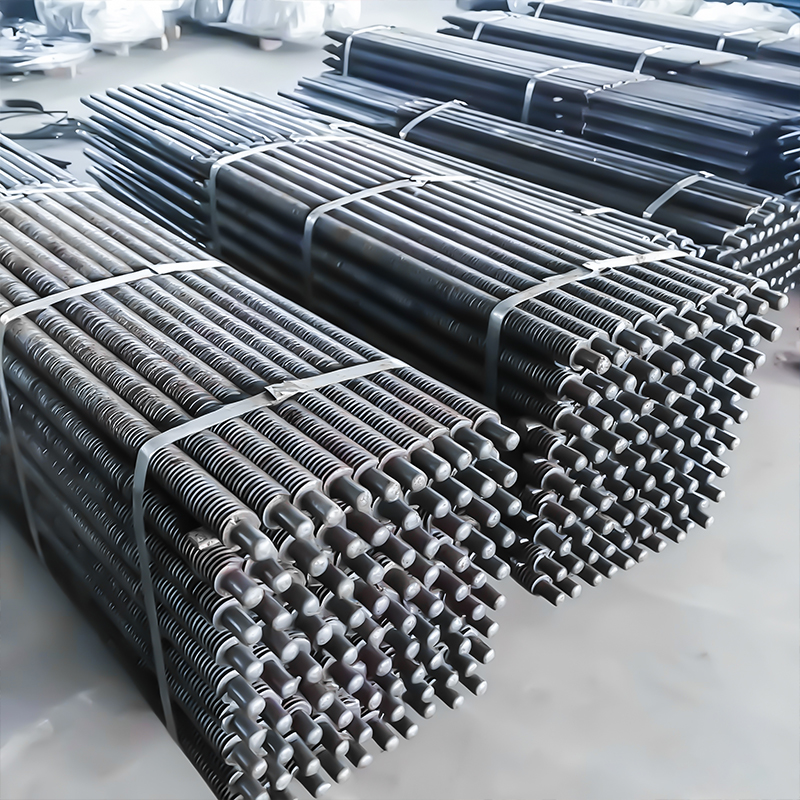
Shell and tube materials: carbon steel, stainless steel, copper, aluminum alloy, etc.
Working media: water, ammonia, methanol, sodium-potassium alloy, etc.
Tube outer diameter: 16-57mm
Tube wall thickness: 1.5-4mm
Length: 0.5-10m
Working pressure: 0.1-10MPa
Thermal conductivity is much higher than that of ordinary metal pipes.
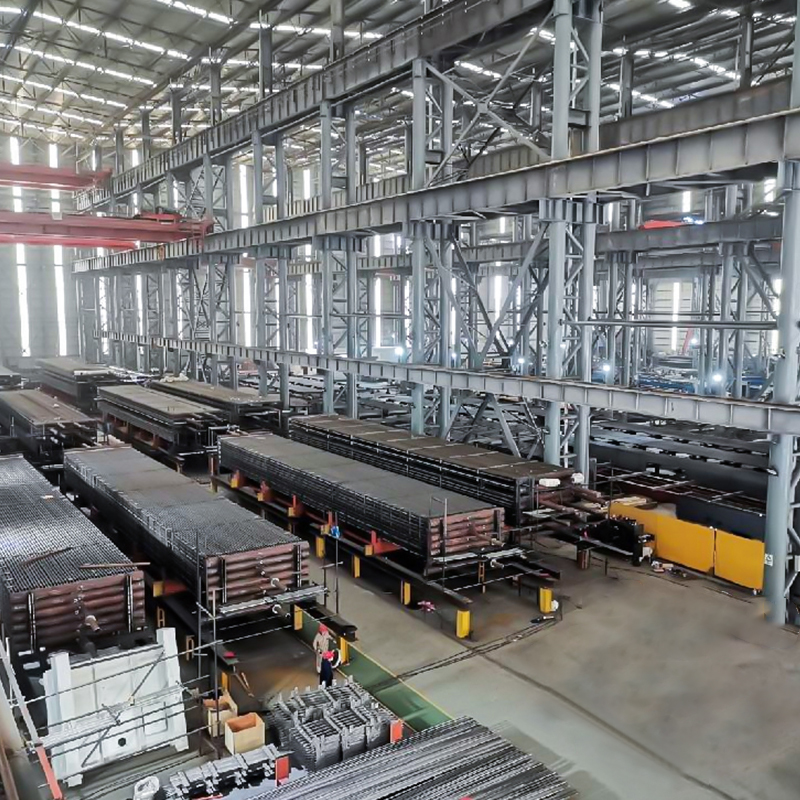
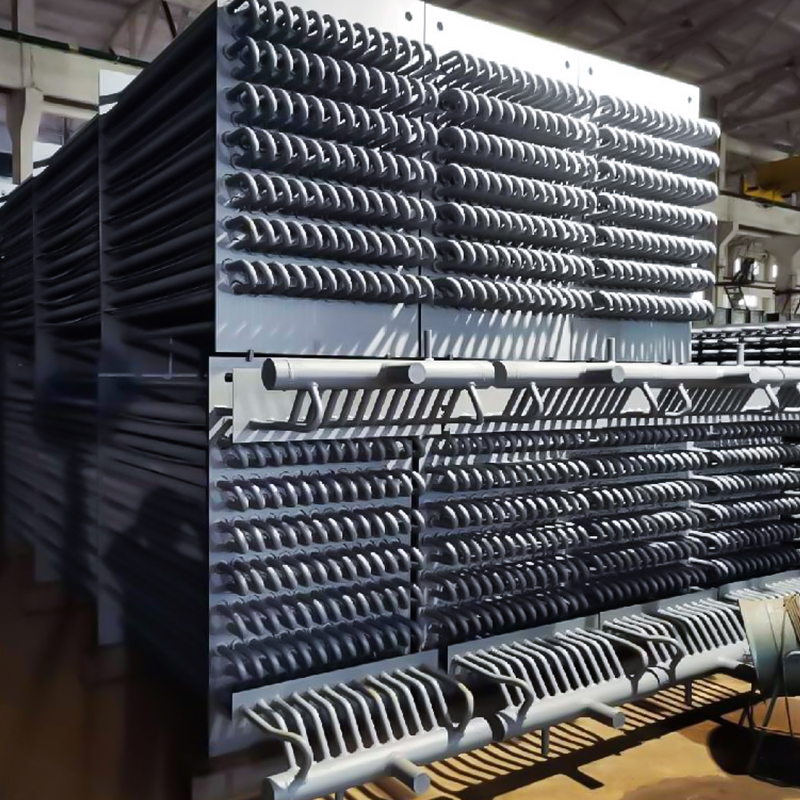
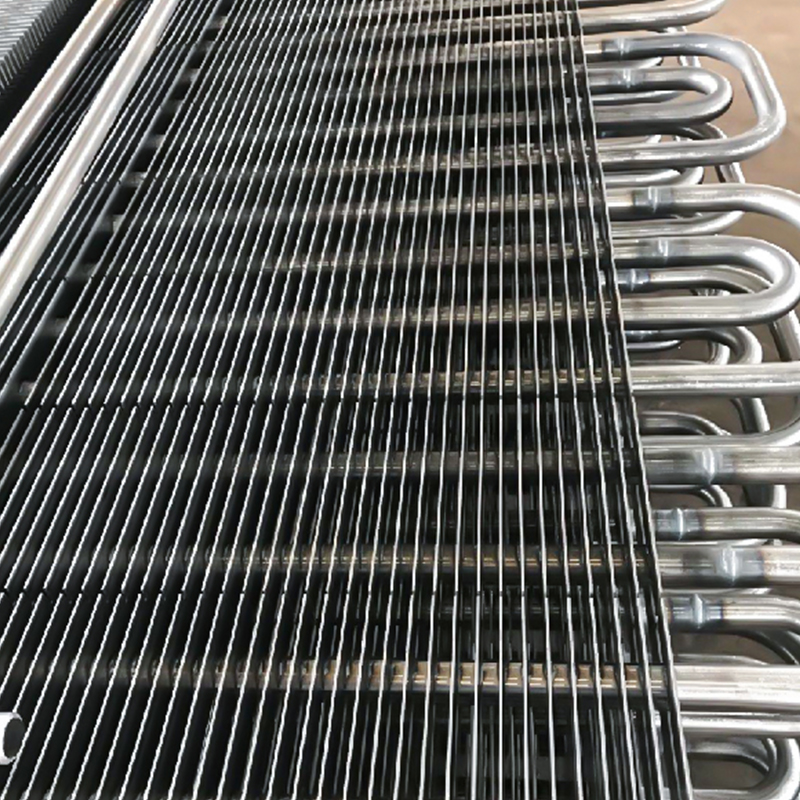
Heat-tubes are components that utilize phase changes (evaporation and condensation) of a working fluid to achieve efficient heat transfer. They boast strong heat transfer capabilities, minimal temperature gradients, and a compact structure, making them widely used in energy, chemical, electronics, aerospace, and other fields. In power plant boiler systems, heat pipes, as highly efficient heat transfer components, leverage their "superconductivity" and flexible structural design to effectively address the pain points of traditional heat exchange equipment in waste heat recovery, low-temperature corrosion protection, and heating surface optimization. They have become a key technology for improving boiler thermal efficiency and reducing energy consumption.
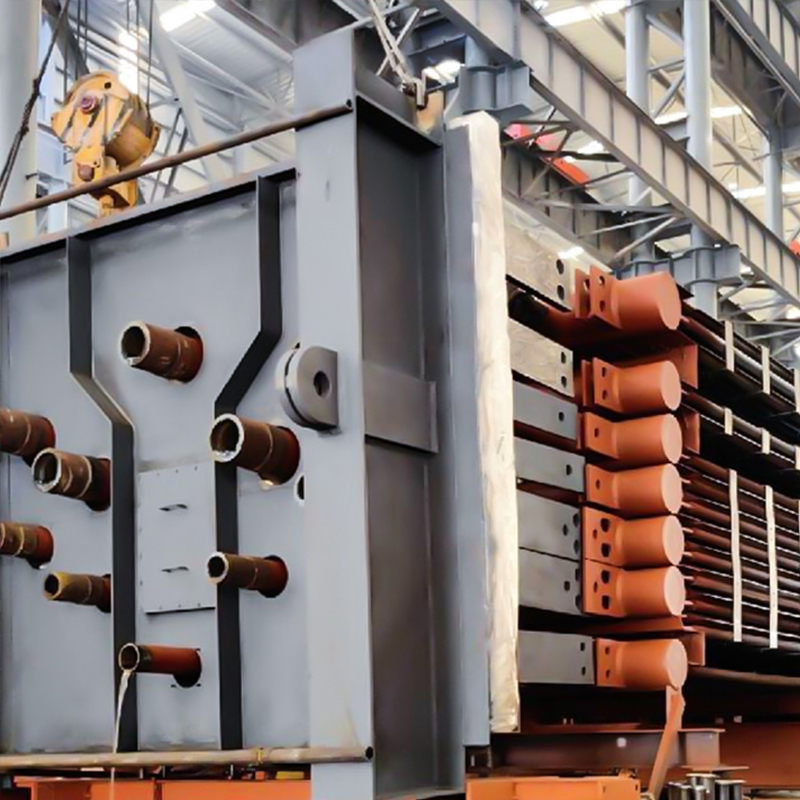
Shell and tube materials include carbon steel, stainless steel, copper, and aluminum alloy, depending on operating conditions and media requirements.
Working media include water, ammonia, methanol, and sodium-potassium alloys, adapting to various temperature ranges (low, medium, and high temperature heat transfer). Heat pipes are typically evacuated and filled with a small amount of working fluid. Heat is absorbed at one end of the heat pipe, and the evaporated fluid is rapidly transferred to the other end, releasing heat and condensing back, thus forming a phase change heat transfer cycle. They can transfer large amounts of heat even with a small temperature gradient, and their thermal conductivity is over ten times higher than that of metals like copper and aluminum. Heat pipes provide uniform temperature distribution along the axial direction, effectively preventing thermal stress in equipment caused by large temperature differences. Heat can be transferred over a long pipe, achieving "long-distance heat transfer" in space. Flexible choices of shell and tube materials and working fluid materials are available to meet the needs of high-temperature, low-temperature, corrosive, or special environments.
You may also like
About us


Cover An Area

Factory Area

Employees

Export Countries
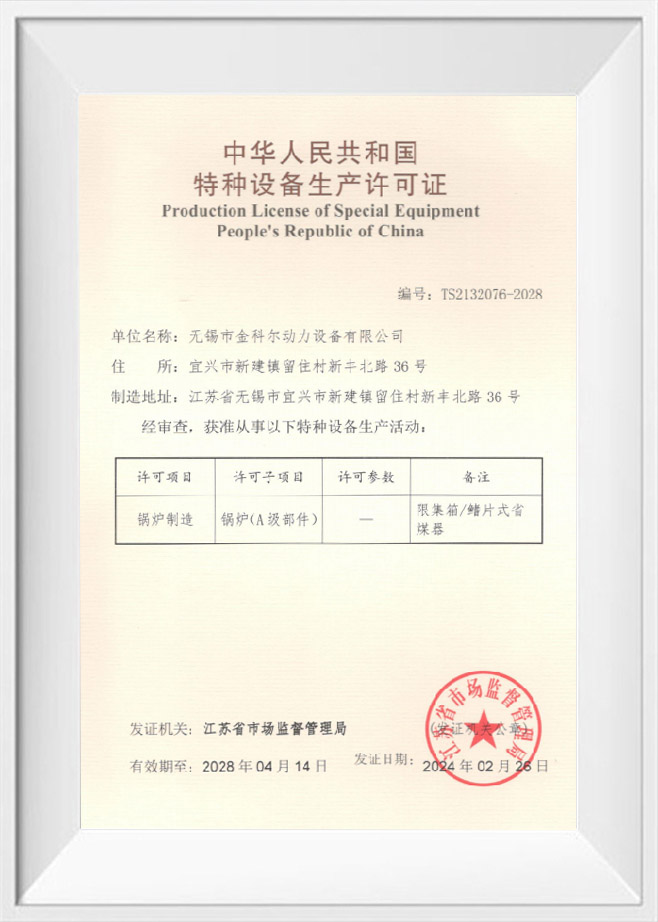
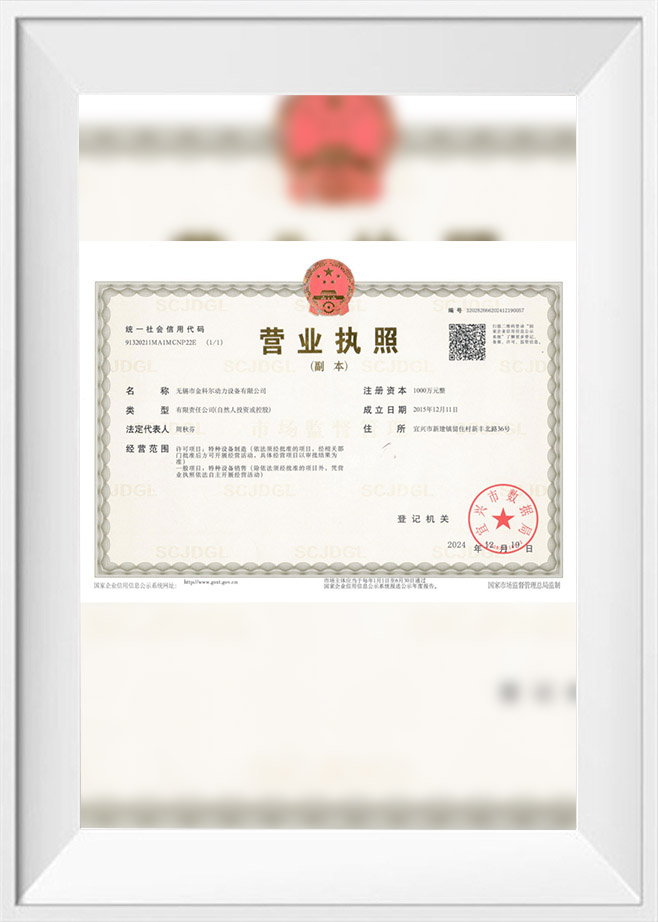
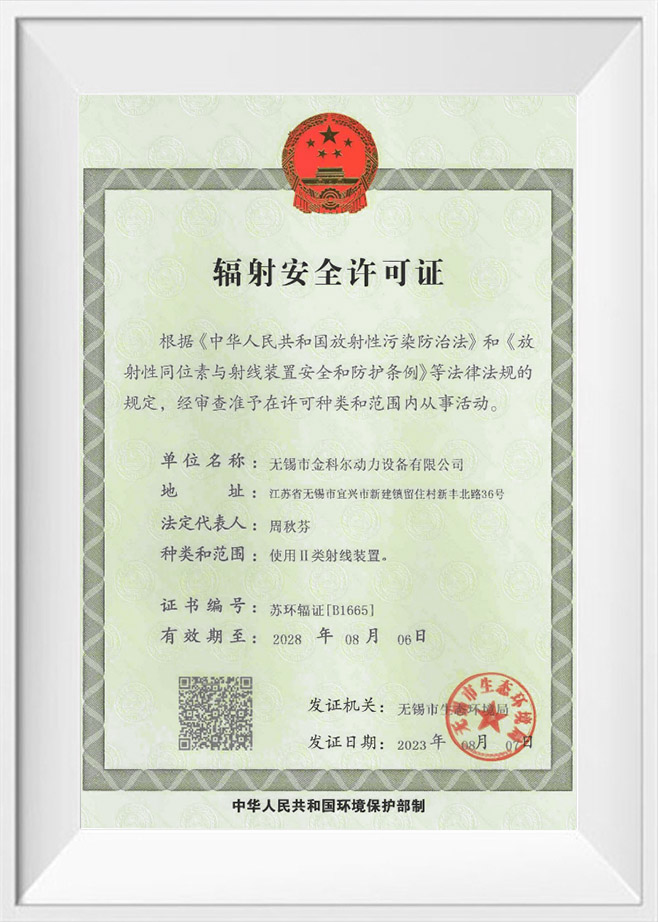
certificate
NEWS
In boiler systems, low-temperature corrosion is a persistent challenge caused by acidic condensates forming on heating surfaces when flue gas temperatures fall below the acid dew point. Waste Heat Boiler Heat Tube, leveraging phase change mechanisms, provide a practical solution by maintaining higher surface temperatures in targeted areas, preventing condensate formation and mitigating corrosive damage.
Waste Heat Recovery Boiler Heat Tubes utilize working fluids such as water, ammonia, or sodium-potassium alloys. When heat is absorbed at the evaporator section, the fluid undergoes rapid phase change into vapor, which moves to the condenser section where it releases latent heat and condenses. This continuous cycle ensures uniform temperature distribution along the tube length, effectively eliminating local cold spots where acidic condensates could form.
Selecting appropriate shell and tube materials further enhances corrosion resistance. For areas prone to low-temperature condensation, materials such as stainless steel or copper alloys are preferred for their resistance to acidic attack. The combination of high thermal conductivity and phase change heat transfer allows these tubes to maintain operational temperatures above the acid dew point, reducing corrosion risk.
The implementation of Waste Heat Recovery Boiler Heat Tubes in boiler systems can be optimized by strategically placing them in sections where temperature drops are significant. Engineers often monitor flue gas and water temperatures to determine the optimal tube layout, ensuring maximum protection against corrosion while enhancing heat recovery efficiency.
Beyond corrosion prevention, these heat tubes improve the overall thermal performance of the boiler. By transferring heat efficiently even with minimal temperature differences, they recover low-grade heat from flue gases and reuse it in the system. This dual effect—reducing corrosion and recovering waste heat—makes Waste Heat Boiler Heat Tubes a critical component in modern boiler engineering.
| Material | Thermal Conductivity | Corrosion Resistance | Recommended Application |
| Carbon Steel | Moderate | Low in acidic environments | General heat recovery sections |
| Stainless Steel | High | Excellent in acidic condensate areas | Low-temperature flue gas zones |
| Copper Alloy | Very High | Good, resistant to mild acids | Critical heat transfer sections |
| Aluminum Alloy | Very High | Moderate, careful with acidic condensates | Lightweight heat recovery designs |
By integrating Waste Heat Boiler Heat Tubes thoughtfully, industrial operators can extend the lifespan of their boiler systems, reduce maintenance costs, and recover energy that would otherwise be lost. The phase change technology not only safeguards against low-temperature corrosion but also supports overall system efficiency in energy-intensive industries.
Wuxi Jinker Power Equipment Co., Ltd.






 English
  Français
  Español