-
+86-15669958270
-
-


Select the product you want
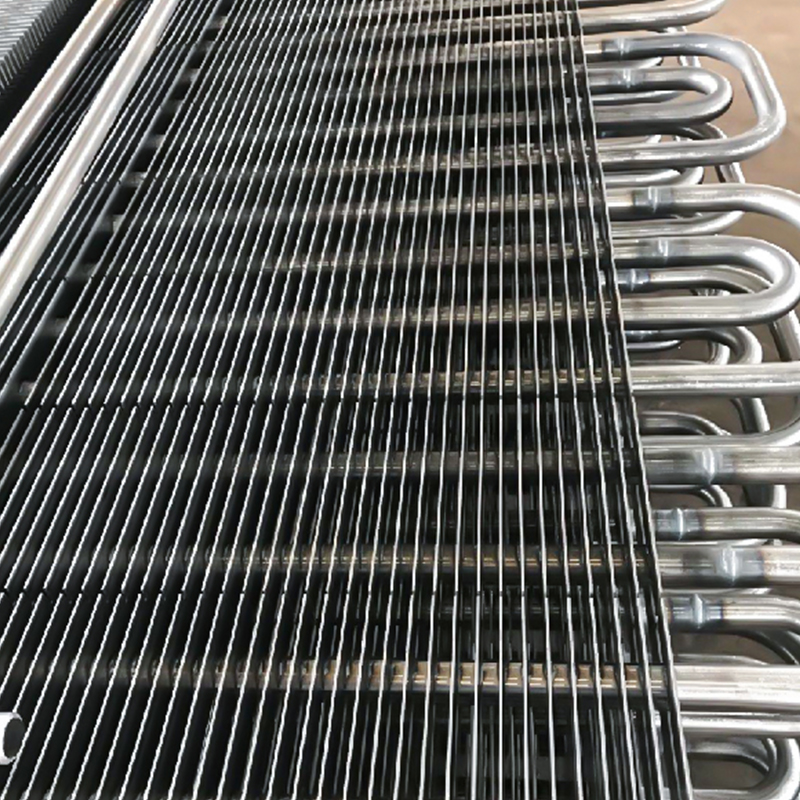
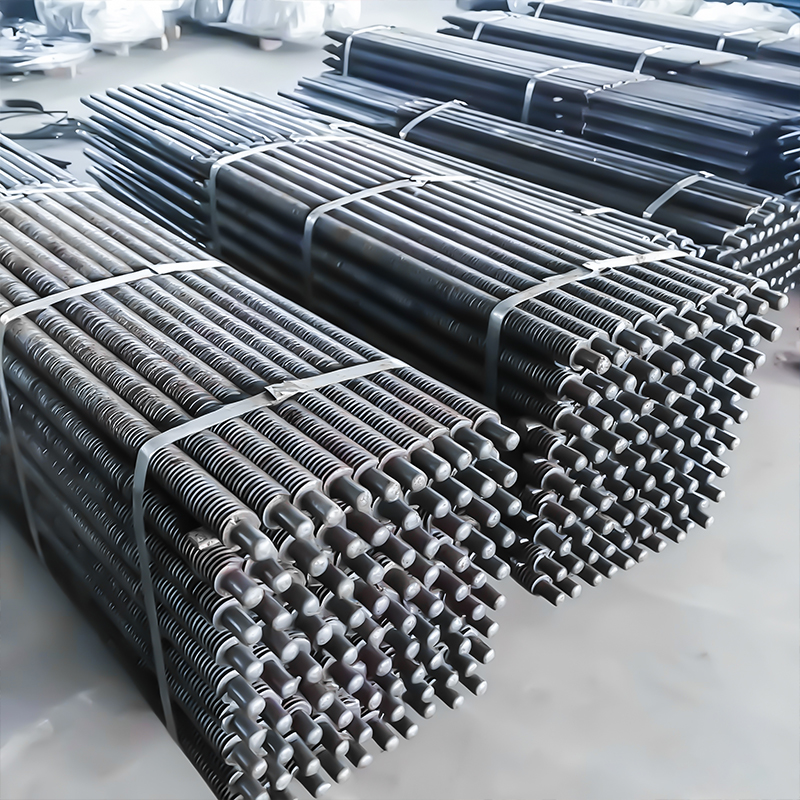
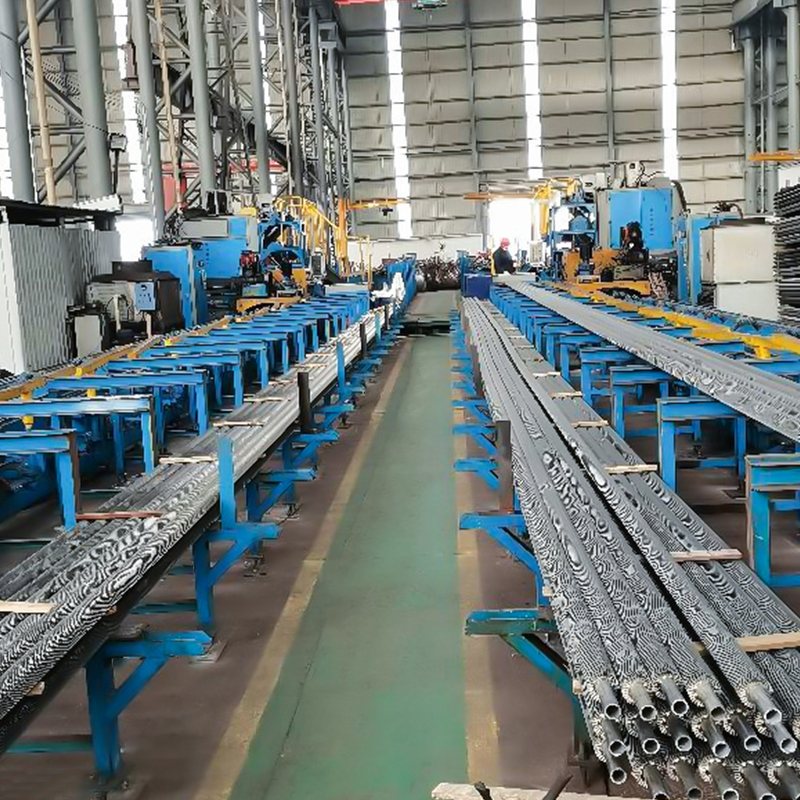
Base tube outer diameter 25-159mm
Base tube wall thickness 2-8mm
Fin thickness 0.8-2mm
Fin height 10-30mm
Fin tube pitch 5-20mm
Fin tube total length ≤20,000mm
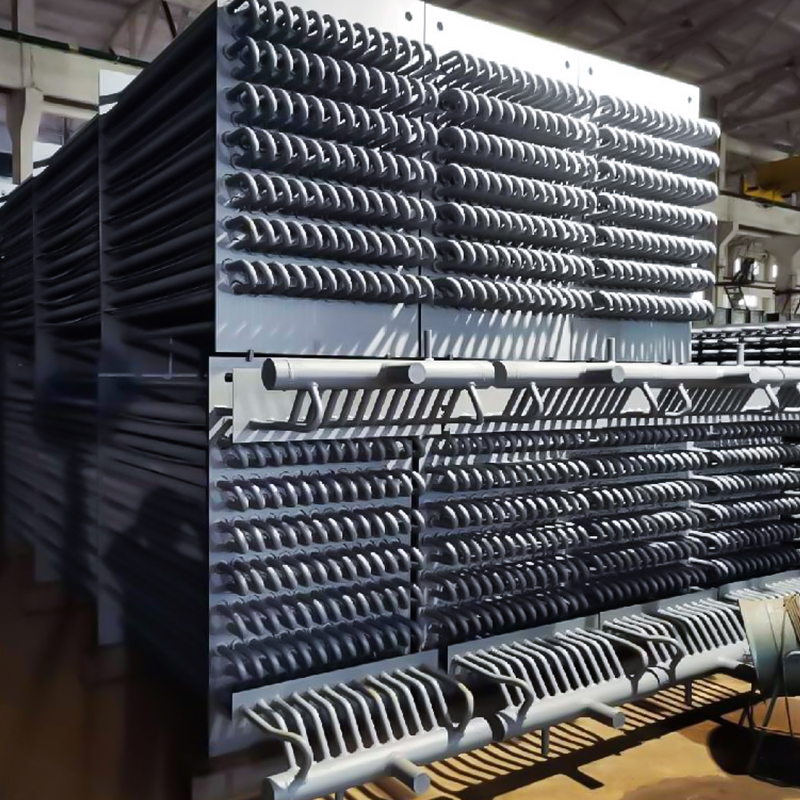
Spiral finned tubes are highly efficient heat exchange components formed by machining or wrapping spiral fins around the outer surface of a base tube (usually a round metal tube). They are widely used in boilers, heat exchangers, air conditioners, refrigeration equipment, and other applications requiring enhanced heat transfer. Their core design concept is to increase the heat transfer area, thereby improving the heat exchange efficiency between the fluid (usually gas or liquid outside the tube) and the medium inside the tube.
Spiral finned tubes are widely used in boilers, petrochemicals, metallurgy, power generation, and waste heat recovery systems, and are a core component of industrial heat exchange equipment. The spiral fins significantly increase the tube's surface area, enhancing heat transfer capacity on the flue gas or fluid side. While maintaining the same heat transfer capacity, they can significantly reduce the heat exchanger's volume. The fins and base tube can be manufactured using high-frequency welding, integral extrusion, or coiling processes, resulting in a tight bond, excellent heat transfer performance, and strong durability. Fin thicknesses range from 0.8 to 2 mm, providing high mechanical strength and the ability to withstand flue gas erosion and prolonged high-temperature operation. Corrosion-resistant materials such as stainless steel and alloy steel can be selected as needed to accommodate acidic or high-humidity operating conditions. Improves the thermal efficiency of boilers and waste heat recovery units, reducing fuel consumption and operating costs. This technology offers significant energy savings in power plants and industrial waste heat utilization. Fin height, pitch, and thickness can be flexibly customized to accommodate varying flow rates, temperatures, and media conditions.
You may also like
About us


Cover An Area

Factory Area

Employees

Export Countries
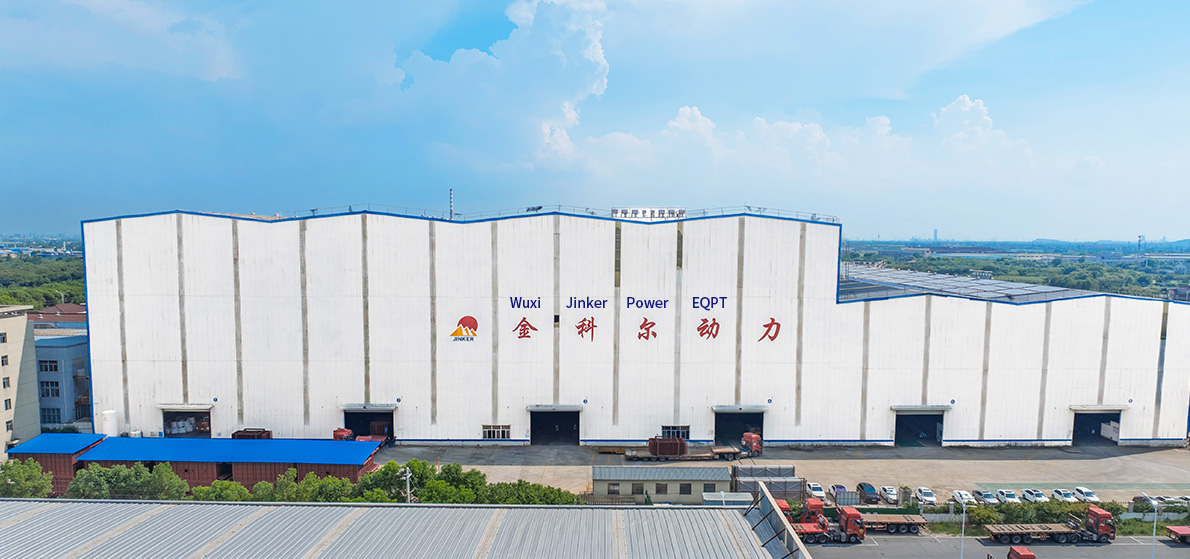
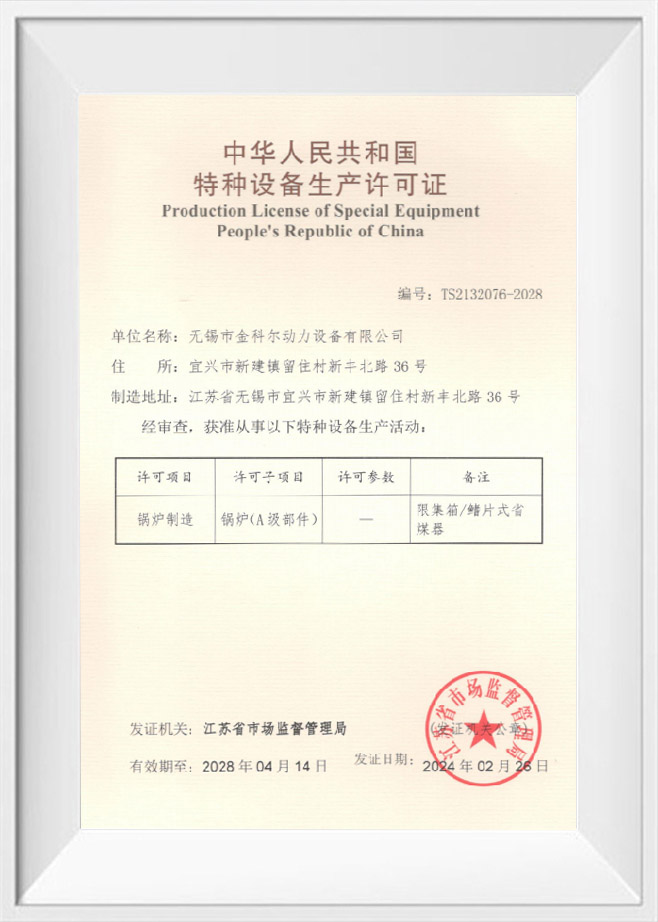
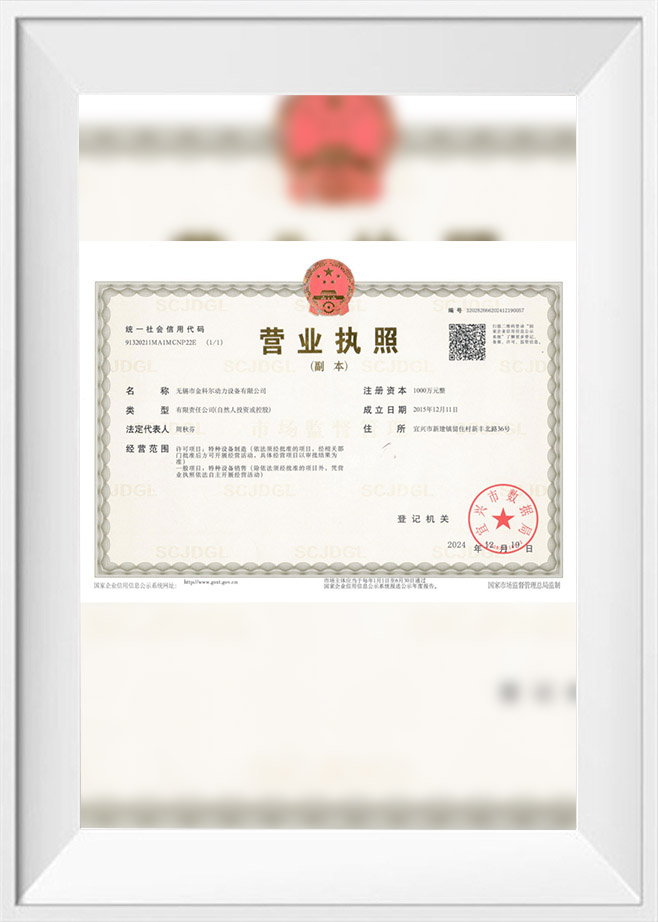
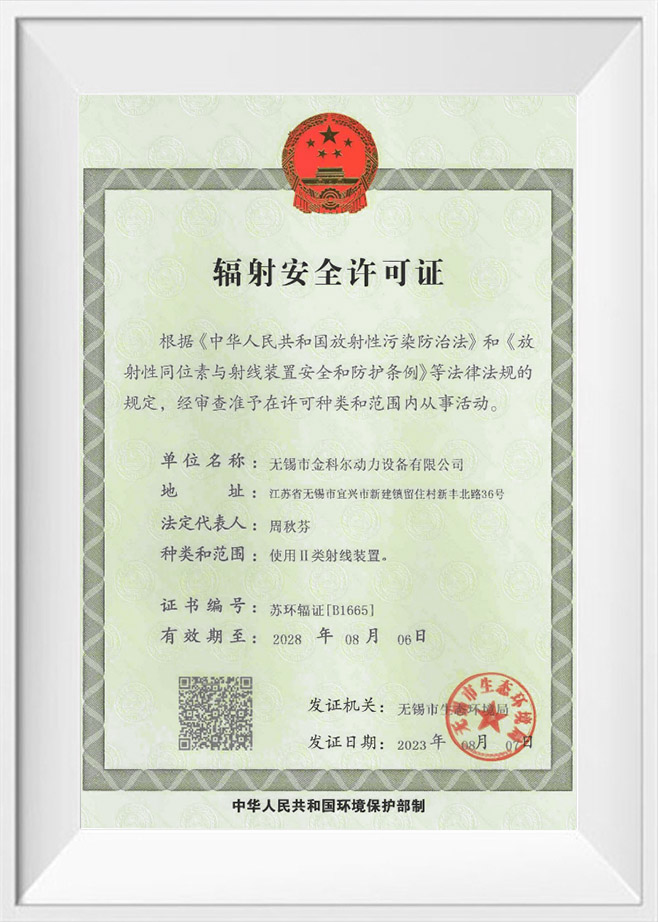
certificate
NEWS
Spiral finned tube is widely implemented in industrial boilers to enhance heat transfer efficiency without increasing the overall footprint of the heat exchanger. By wrapping spiral fins around the base tube, the effective surface area is significantly increased, which improves thermal performance for both flue gas and steam-side heat exchange. This design reduces fuel consumption in boilers by maximizing the recovery of energy from hot gases.
In modern air conditioning systems, spiral finned tube is often used in condensers and evaporators to improve cooling efficiency. The fins accelerate the transfer of heat between refrigerant inside the tube and air flowing outside. Fin spacing, thickness, and height can be customized to match airflow rates and refrigerant properties, ensuring optimal performance while minimizing energy consumption.
In boiler applications, spiral finned tube allow for enhanced heat recovery from exhaust gases. Flue gas temperatures often range between 250°C and 400°C, and the fins are designed to withstand high thermal stresses while resisting erosion and corrosion from particulate-laden gases. Materials such as stainless steel or alloy steel can be selected to handle acidic or high-humidity conditions, extending service life while maintaining heat transfer performance.
High-performance finned tubes enable a smaller heat exchanger footprint, allowing retrofitting of existing boiler systems without major structural modifications. This capability is particularly valuable in industrial plants where space constraints limit the size of new installations.
For air conditioners and refrigeration equipment, spiral finned tubes increase the efficiency of condensers and evaporators by promoting turbulent airflow along the finned surface. The resulting high convective heat transfer reduces the temperature difference required for effective heat exchange, lowering compressor load and overall energy consumption.
Spiral fin geometry can be optimized to suit various refrigerants, including R134a, R410A, and ammonia-based systems. Fin height, thickness, and pitch are critical parameters that control airflow resistance and thermal performance, allowing engineers to balance efficiency with operational pressure drop.
Spiral finned tubes must maintain mechanical strength under thermal cycling and high-pressure conditions. Fin thickness typically ranges from 0.8 to 2 mm, providing sufficient structural integrity to resist flue gas erosion and prolonged high-temperature exposure. The base tube diameter and wall thickness can also be customized to meet specific operational demands, ensuring the tube withstands internal pressure from steam, water, or refrigerant.
These tubes are manufactured using high-frequency welding, coiling, or extrusion techniques to achieve a tight bond between the fin and base tube. This process ensures excellent thermal conduction and prevents fin detachment during long-term operation.
Design parameters such as fin pitch, fin height, and base tube dimensions can be tailored for specific industrial conditions. For example, taller fins and closer spacing enhance heat transfer in low-flow environments, while thicker fins improve durability in high-velocity gas streams.
| Parameter | Typical Range |
| Base Tube Outer Diameter | 25–159 mm |
| Base Tube Wall Thickness | 2–8 mm |
| Fin Thickness | 0.8–2 mm |
| Fin Height | 10–30 mm |
| Fin Pitch | 5–20 mm |
| Tube Total Length | ≤20,000 mm |
By integrating spiral finned tubes into boilers, air conditioners, and refrigeration equipment, industrial plants can achieve significant energy savings. Improved heat transfer efficiency reduces fuel or electricity consumption, while the compact design minimizes installation space and structural requirements.
Wuxi Jinker Power Equipment Co., Ltd. provides spiral finned tubes engineered for long-term reliability in power, petrochemical, and heavy industry applications. Each tube is manufactured to strict quality standards, ensuring consistent performance under high-temperature, high-pressure, and corrosive conditions.
Wuxi Jinker Power Equipment Co., Ltd.






 English
  Français
  Español