-
+86-15669958270
-
-


Select the product you want
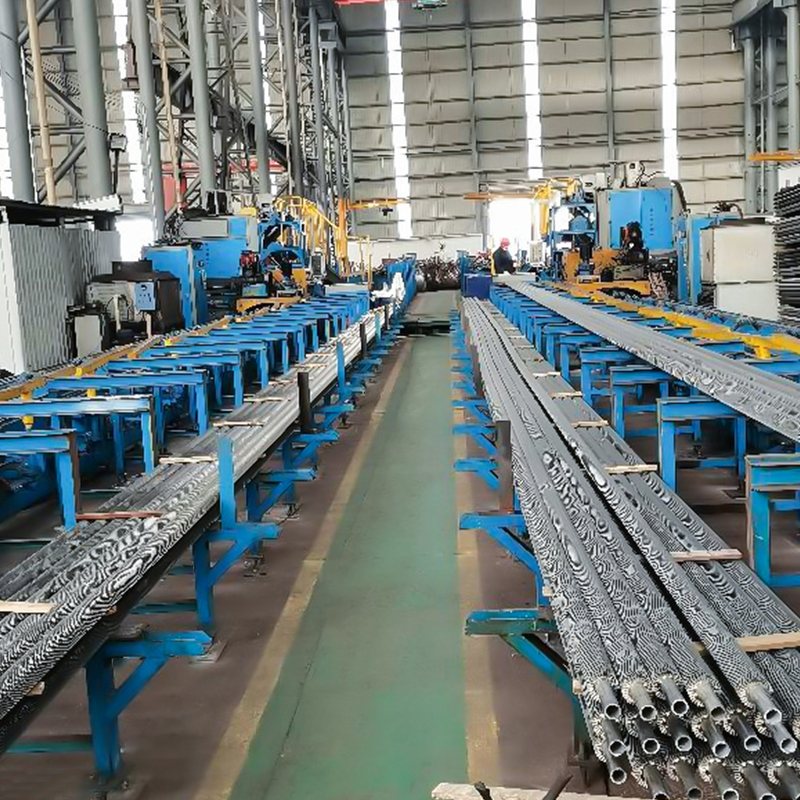
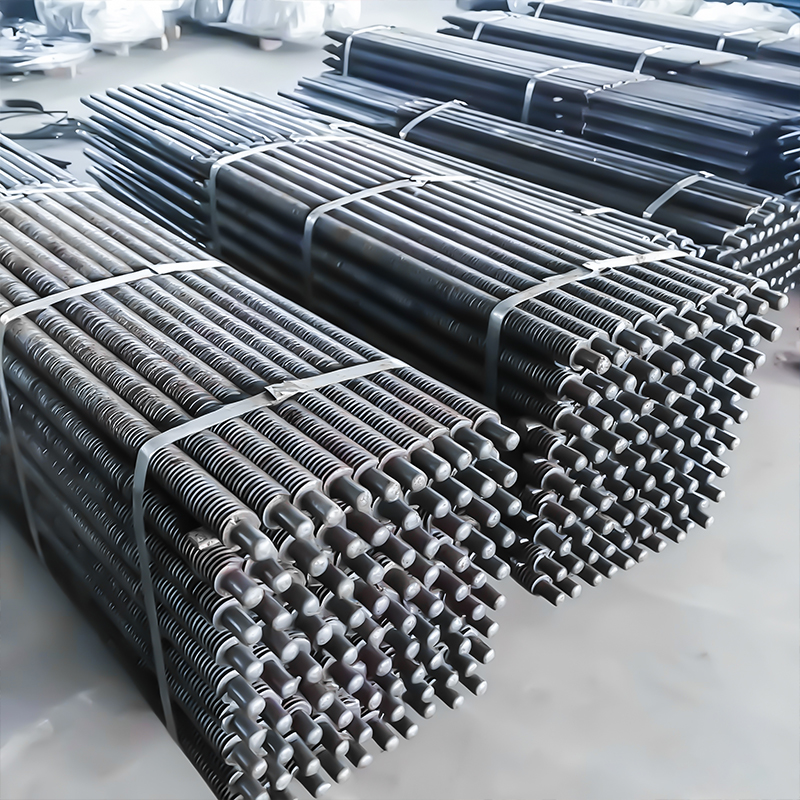
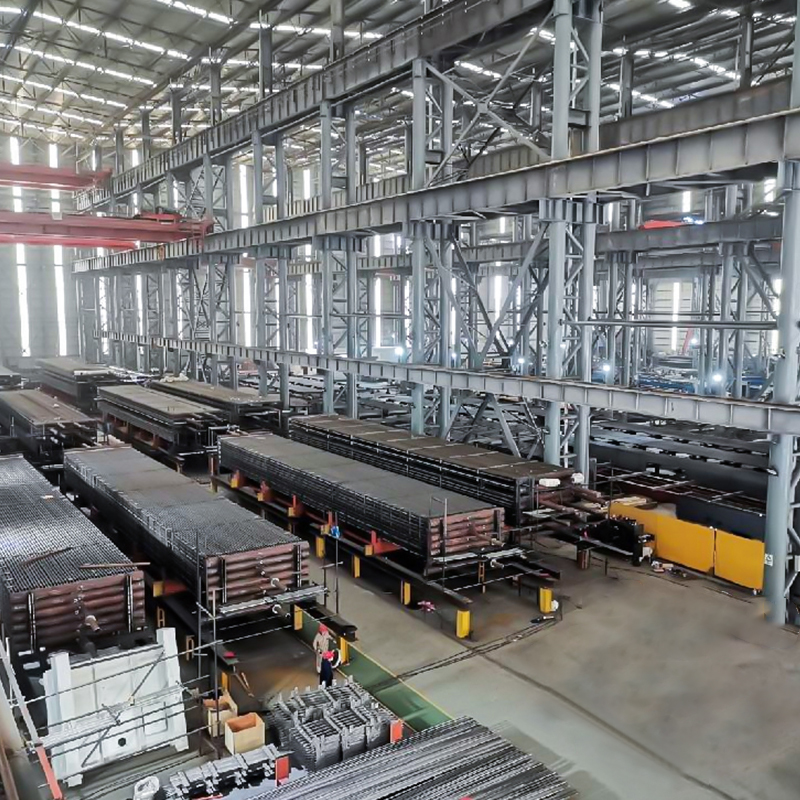
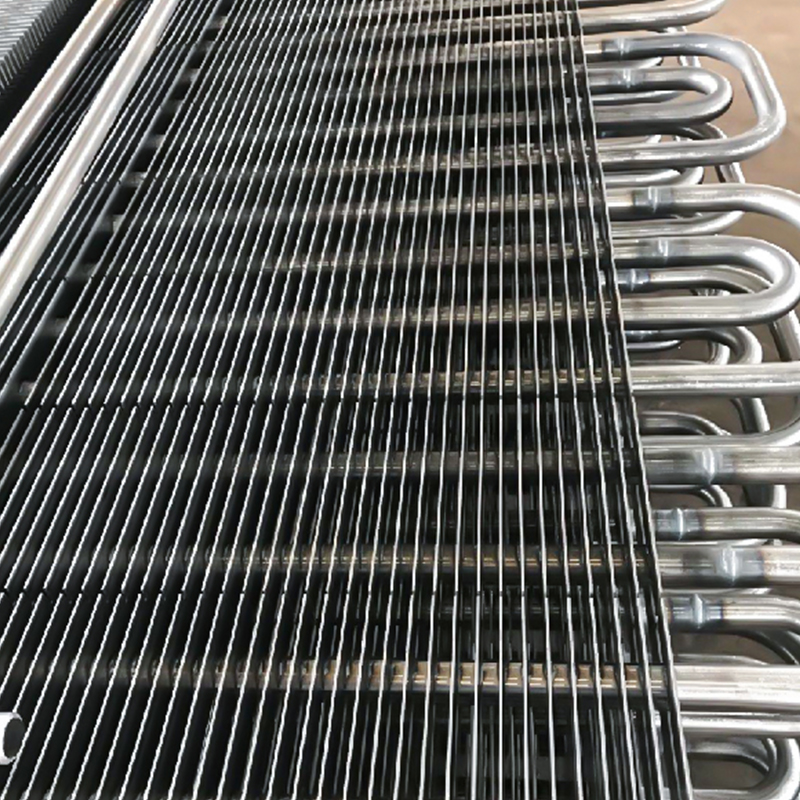
Tube OD 25-65mm
Tube wall thickness ≥3mm
Fin dimensions 70mm×70mm, 75mm×75mm, 95mm×89mm, etc.
Fin thickness 0.3-0.4mm
Fin pitch 3-10mm
Material: Carbon steel, stainless steel, ND steel, alloy steel, etc.
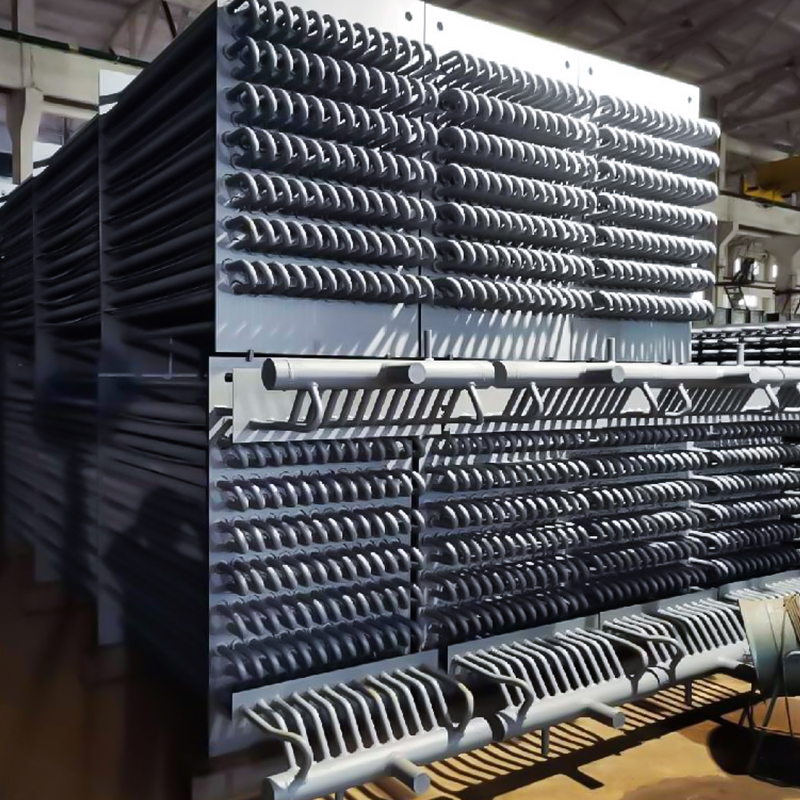
The H-type finned tube is a highly efficient, enhanced heat transfer element. Named for its H-shaped fin cross-section, it is also commonly referred to as a "double-finned tube" or "flat finned tube." Its unique structural design improves heat transfer efficiency while effectively addressing the dust accumulation and high resistance issues of traditional finned tubes. It is widely used in power plant boilers, waste heat boilers, industrial heat exchangers, and other applications where dust-laden flue gas is present or low-resistance operation is required.
H-type fins divide the flue gas flow, enhancing flue gas turbulence, reducing air film heat transfer resistance, and improving the overall heat transfer coefficient. Compared to traditional spiral-finned tubes, the heating area can be increased by 1.5–2 times. The H-type fins offer low resistance and strong resistance to dust accumulation, creating parallel channels between the fins for low flue gas flow resistance. Their unique geometric structure slows dust deposition, provides self-cleaning capabilities, and reduces the risk of clogging. The fins are welded to the base tube using high-frequency welding for a secure, non-detachable bond. Optional materials such as ND steel and stainless steel are wear-resistant, sulfur-resistant, and chloride-ion-resistant, extending service life.
The tube wall thickness is ≥3mm, capable of withstanding high pressures and temperatures, making it widely used for waste heat recovery from high-temperature flue gas. The moderate fin thickness (0.3–0.4mm) ensures heat transfer efficiency while maintaining excellent mechanical strength. Its operating life is significantly longer than traditional finned tubes under harsh operating conditions.
You may also like
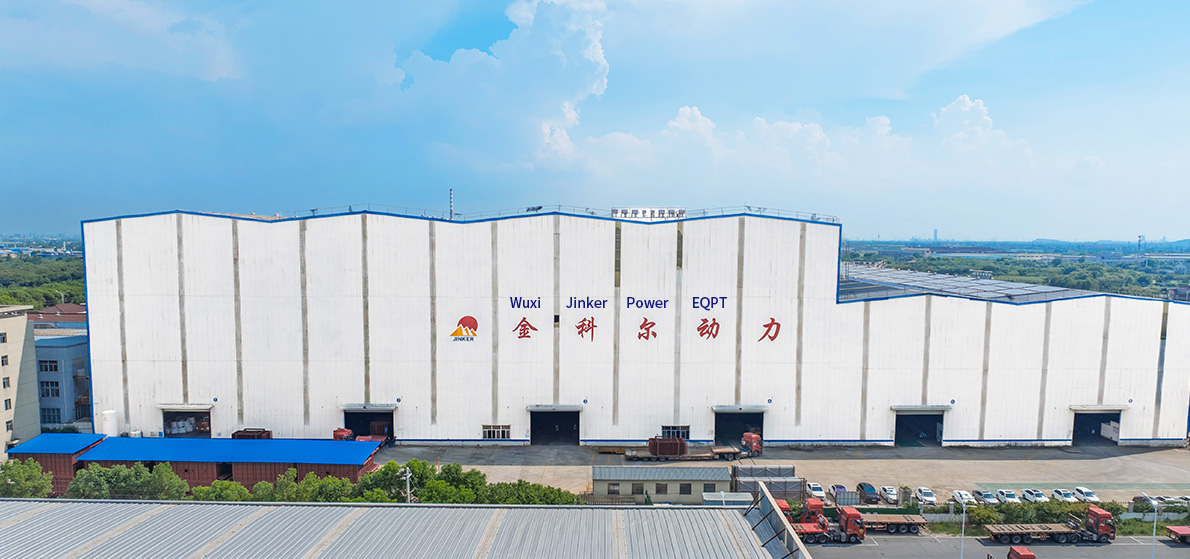
About us


Cover An Area

Factory Area

Employees

Export Countries
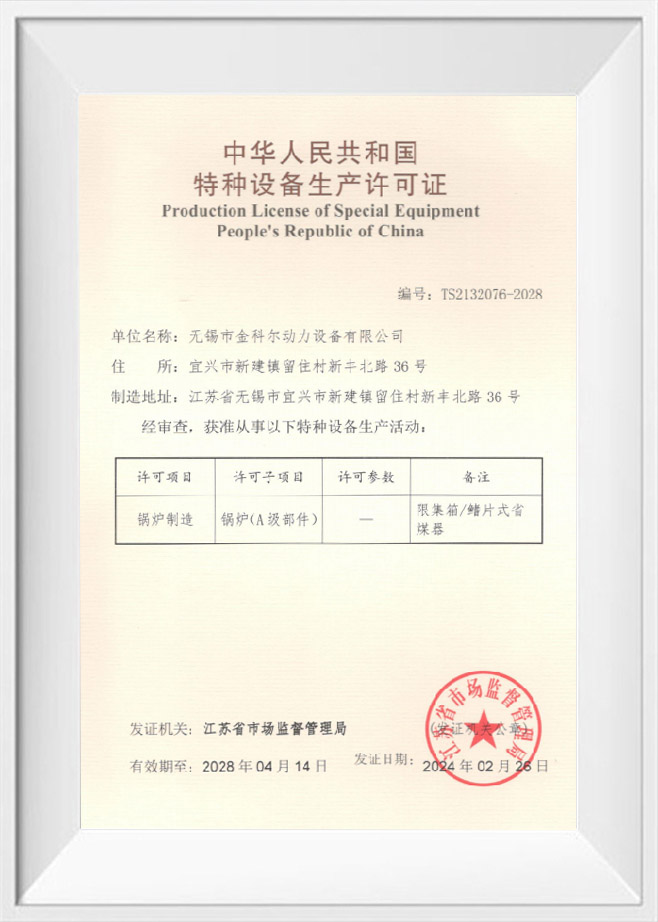
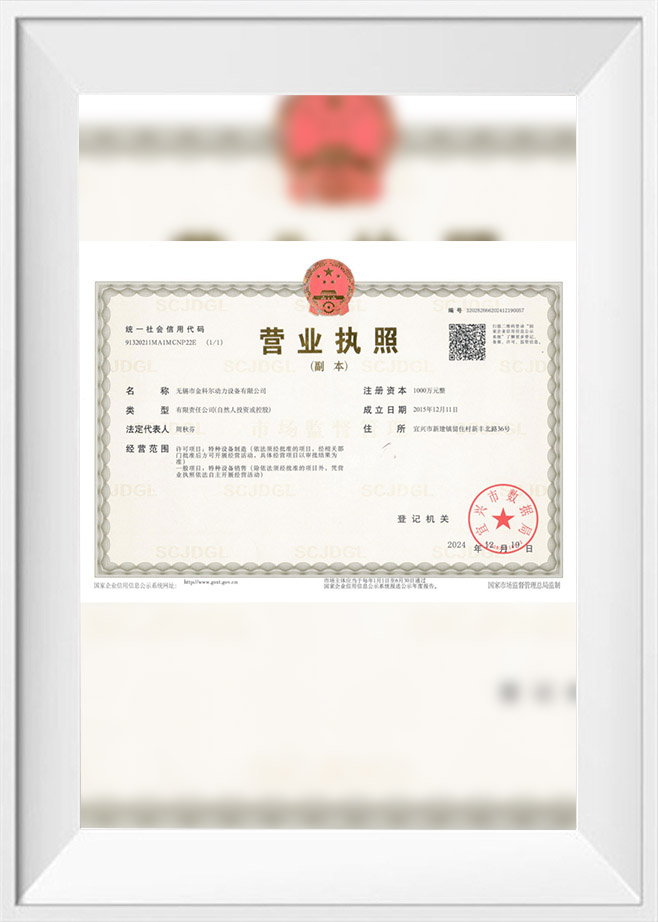
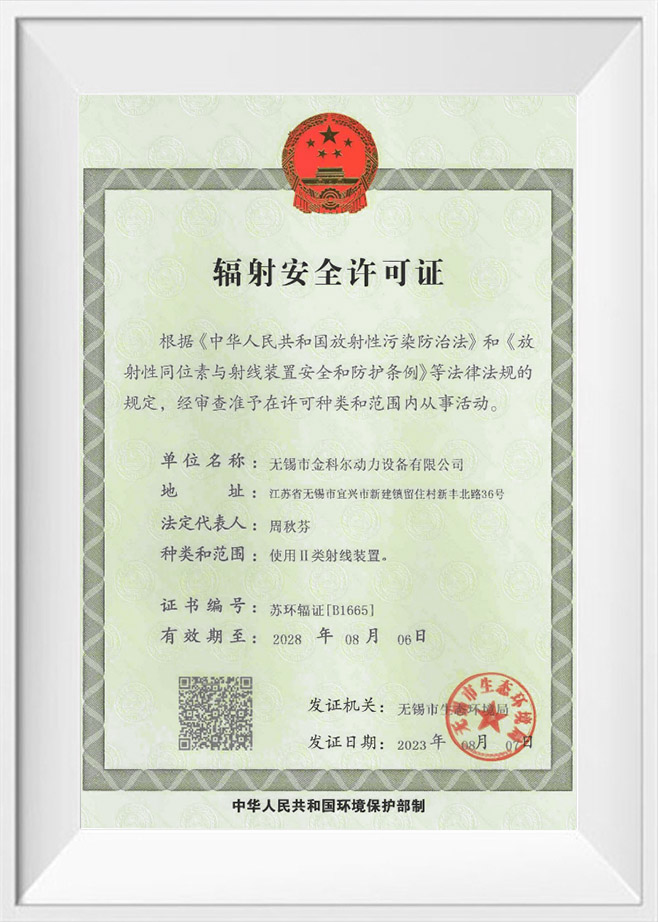
certificate
NEWS
H Type Finned Tubes, also known as Double-Finned Tubes or Flat Finned Tube designs, are widely used in industrial environments where flue gas contains a high concentration of particulate matter. Their unique H-shaped fin geometry divides the flue gas flow into multiple parallel channels, which increases local turbulence and reduces dust deposition on the fin surfaces. This self-cleaning effect not only preserves the high heat transfer efficiency of the tubes but also minimizes the maintenance frequency required for long-term operation, making them ideal for applications in power plant boilers, waste heat recovery systems, and industrial heat exchangers.
The H Type Finned Tubes’ design creates multiple narrow channels along the tube length, increasing the velocity of flue gas locally. This airflow pattern prevents particles from settling and promotes the natural removal of accumulated dust. In Double-Finned Tubes, the secondary fin enhances the separation of flow paths and improves the aerodynamic characteristics, which facilitates self-cleaning. Flat Finned Tube configurations distribute gas flow evenly across the tube surface, ensuring that no areas become stagnant zones where dust could accumulate. These design features collectively maintain a stable thermal performance even under heavy dust-laden conditions.
Material selection is a critical factor in maintaining self-cleaning performance. H Type Finned Tubes can be manufactured from carbon steel, stainless steel, ND steel, or alloy steels depending on the operating environment. Stainless steel and ND steel offer smooth surfaces that reduce particle adhesion and improve corrosion resistance in the presence of acidic or abrasive flue gas. Alloy steels provide mechanical strength and resistance against high-temperature erosion. High-frequency welding ensures a seamless connection between the fins and the base tube, preventing crevices where dust could settle, which is essential for maintaining self-cleaning functionality over extended periods of operation.
In practical applications, H Type Finned Tubes demonstrate excellent performance under continuous operation with dust-laden flue gas. Their self-cleaning properties allow heat exchangers to maintain consistent heat transfer rates while minimizing pressure drops caused by dust accumulation. This reduces operational interruptions and decreases the need for manual cleaning. Engineers can strategically position these tubes in high-dust areas of the boiler or heat recovery system to optimize airflow patterns, ensuring that dust is continually kept in suspension and removed by the flue gas stream. Additionally, the robust construction of these tubes allows them to withstand thermal stresses and mechanical impacts, providing reliable performance over years of industrial use.
| Tube Type | Dust Adhesion | Heat Transfer Efficiency | Maintenance Frequency |
| H Type Finned Tubes | Low | High, stable over time | Low, minimal cleaning needed |
| Double-Finned Tubes | Moderate | Moderate | Moderate maintenance |
| Flat Finned Tube | Moderate-High | Slight reduction under dust load | Higher frequency required |
By effectively leveraging the design advantages and material properties of H Type Finned Tubes, Double-Finned Tubes, and Flat Finned Tube structures, industrial operators can maintain high thermal efficiency, reduce maintenance costs, and extend the service life of heat exchangers even in the harshest dust-laden flue gas environments. The self-cleaning capabilities of these tubes represent a practical, cost-effective solution for modern energy systems and industrial boilers, ensuring long-term reliability and consistent performance.
Wuxi Jinker Power Equipment Co., Ltd.






 English
  Français
  Español