-
+86-15669958270
-
-


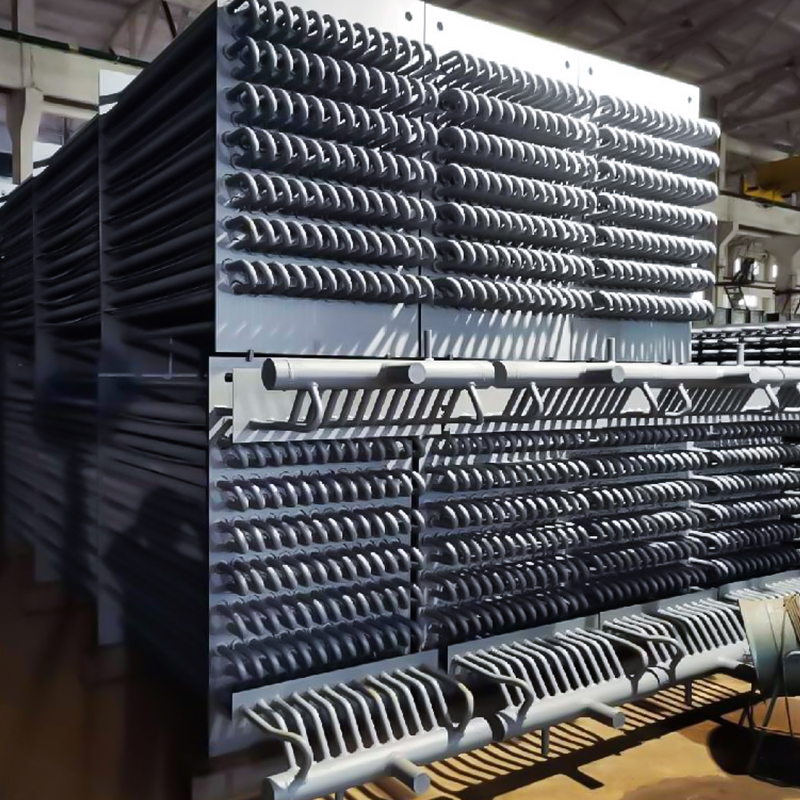
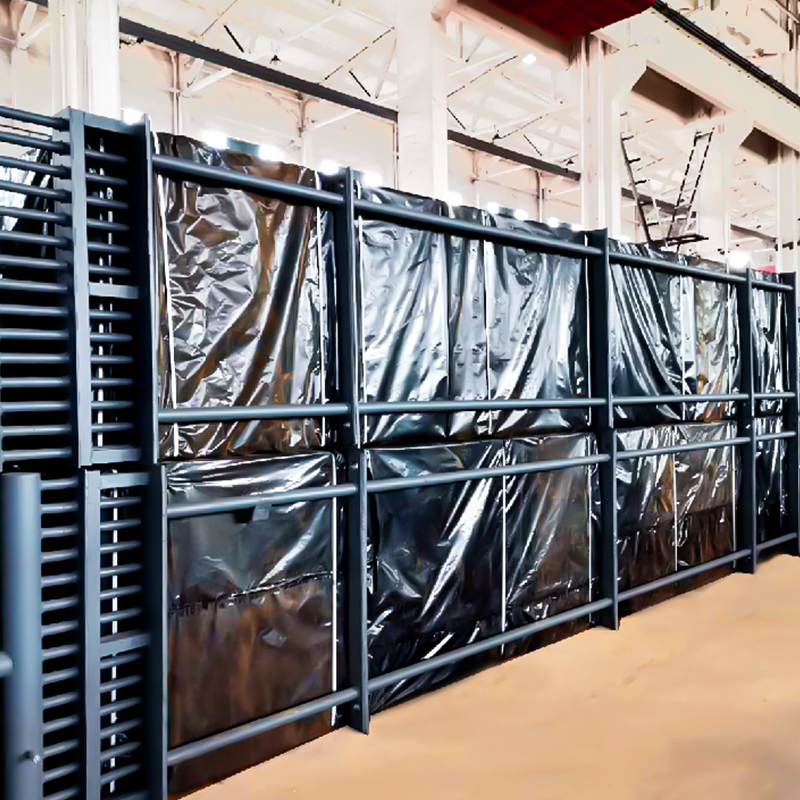
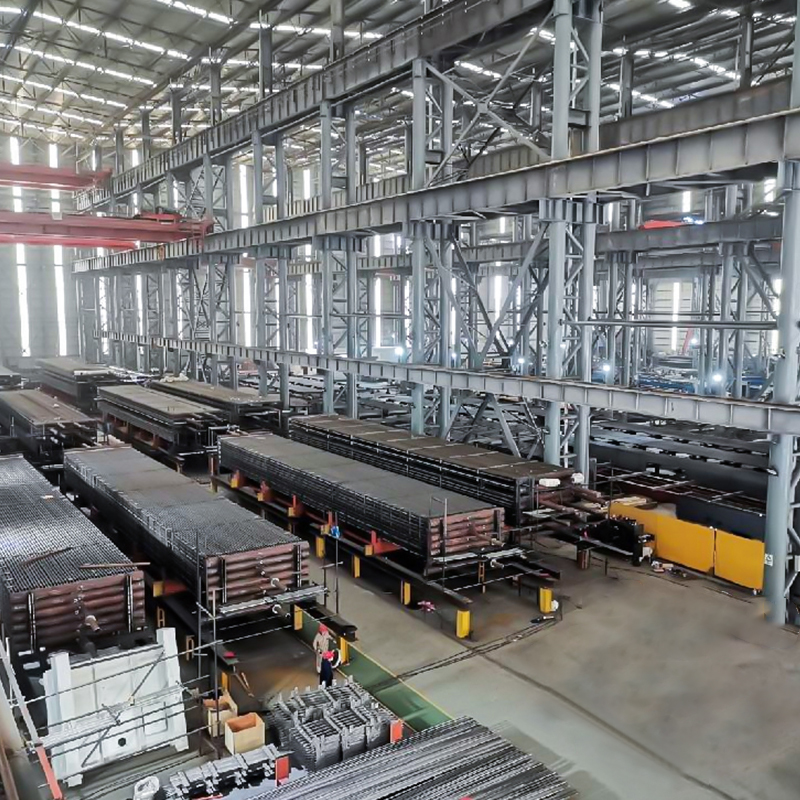
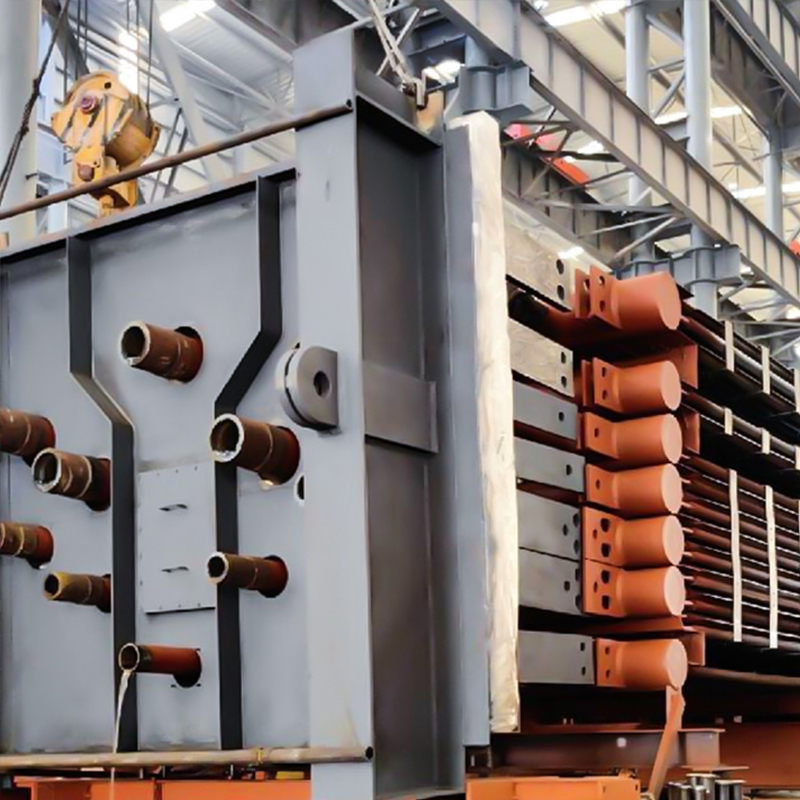
A Heat Recovery Steam Generator is an integrated, modular waste heat recovery device primarily used to recover waste heat from high-temperature flue gases emitted by industrial processes, gas turbines, and internal combustion engines, converting it into steam or hot water. This allows for cascaded energy utilization and improves overall system energy efficiency. Its modular design allows for easy installation, rapid commissioning, and strong adaptability, making it widely used in the chemical, power, metallurgical, and waste incineration industries.
The heat recovery steam generator (HRSG) is a key component for efficient energy utilization. With increasing energy conservation and environmental protection requirements, modular HRSGs have become a key option for power plants, the chemical, metallurgical, and petrochemical industries. The modular design divides the boiler structure into transportable units, facilitating sea and land transportation and hoisting. It also requires a smaller site footprint, making it suitable for projects with limited space. The HRSG fully utilizes the high-temperature exhaust gas from the gas turbine, improving overall efficiency by approximately 20%-30% compared to a single gas cycle.
About us


Cover An Area

Factory Area

Employees

Export Countries
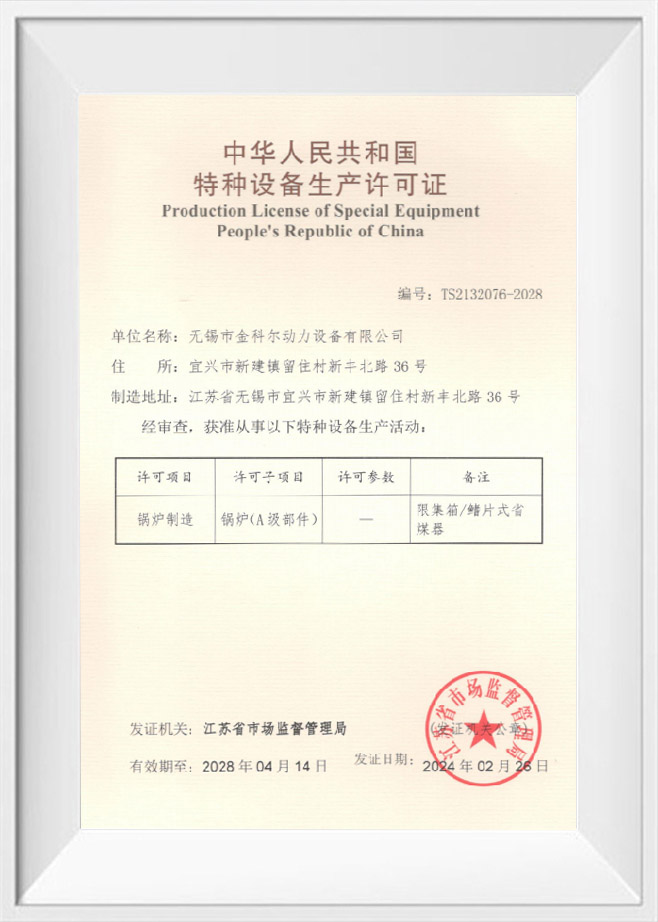
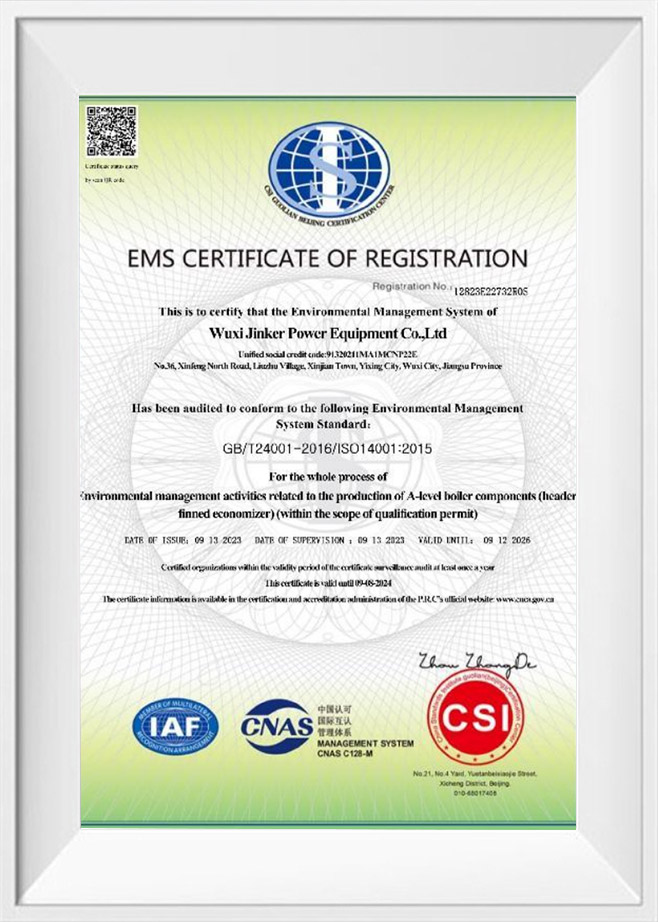
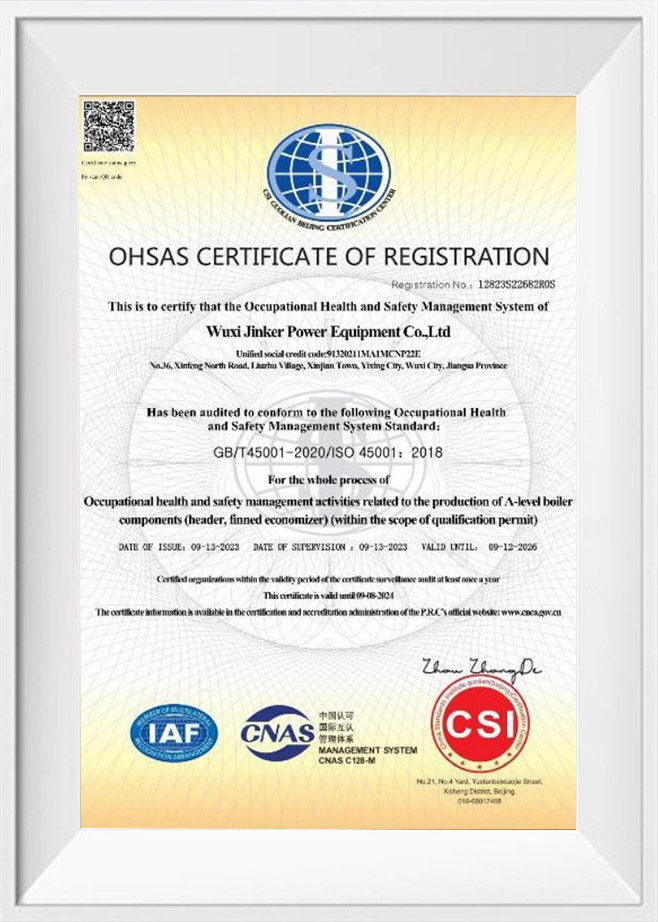
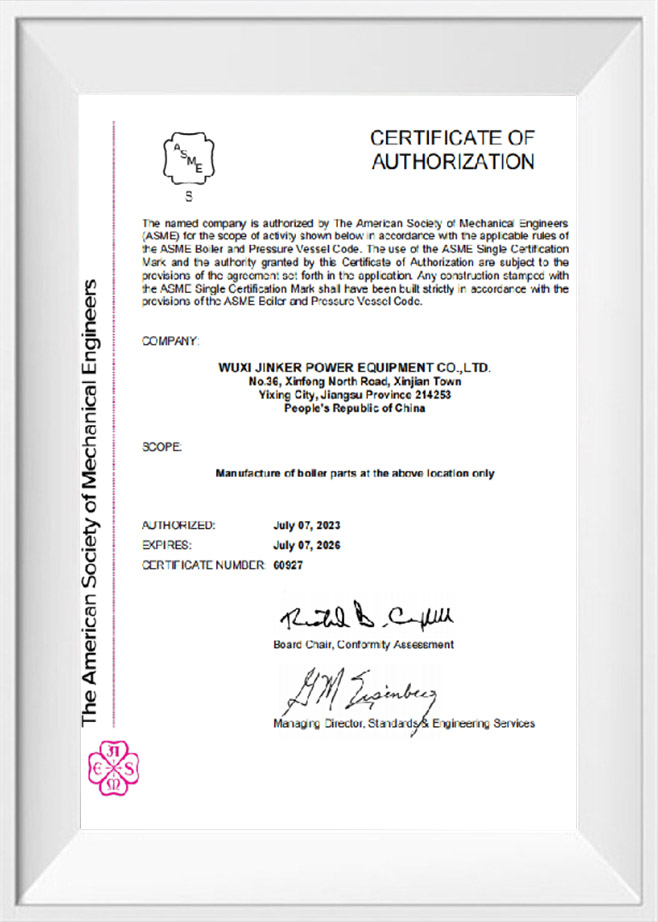
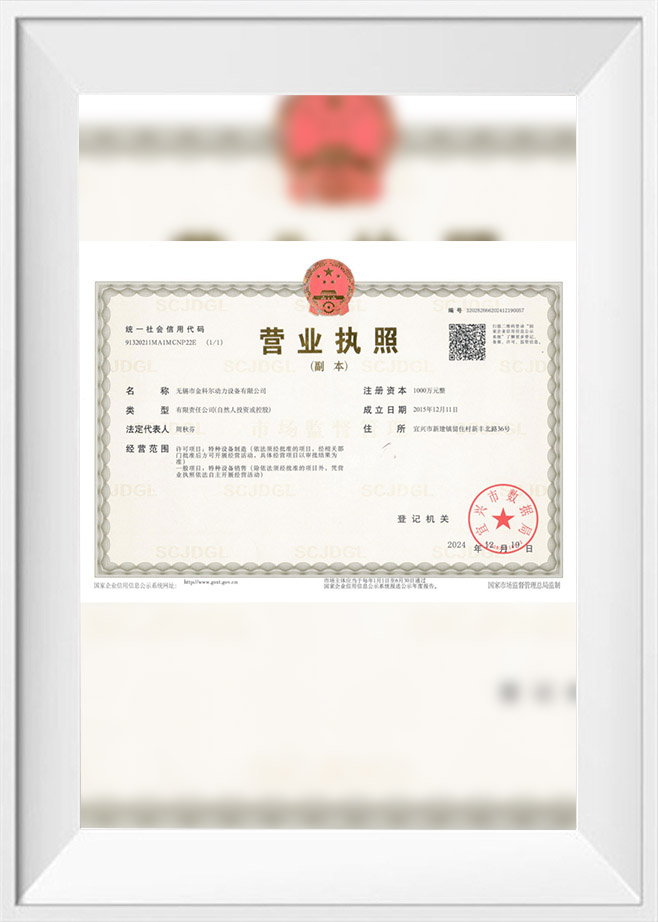
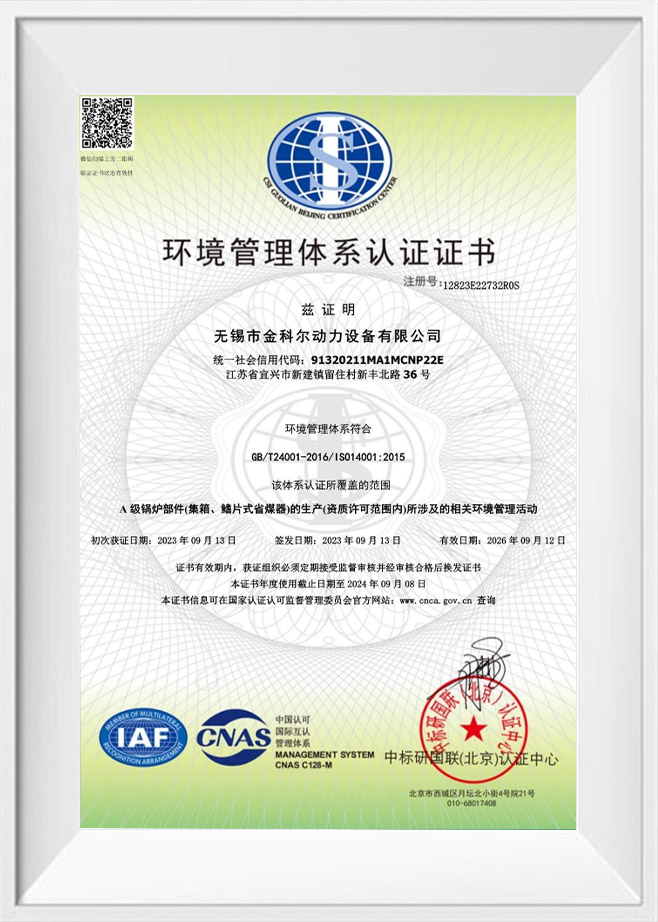
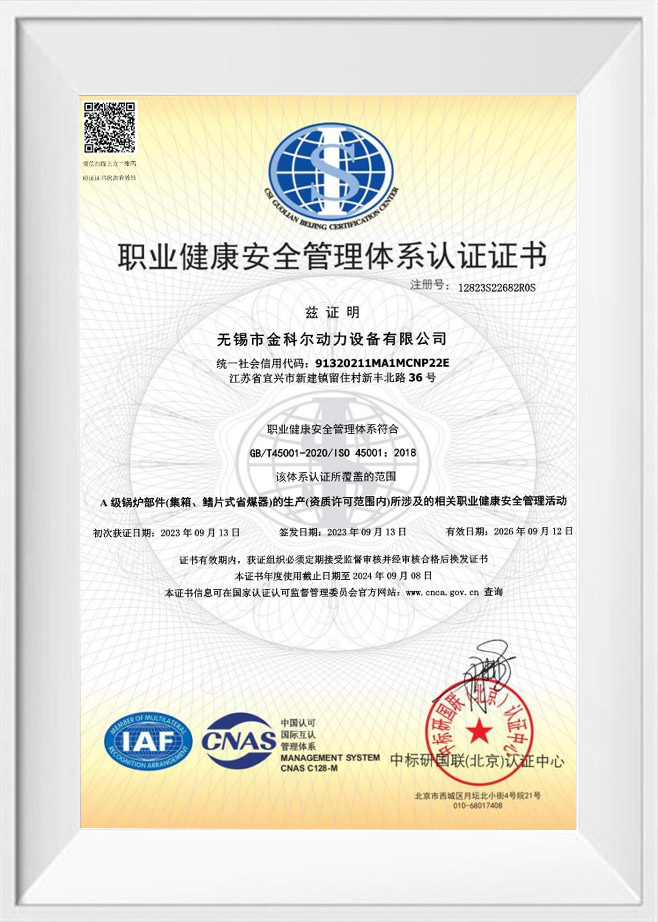
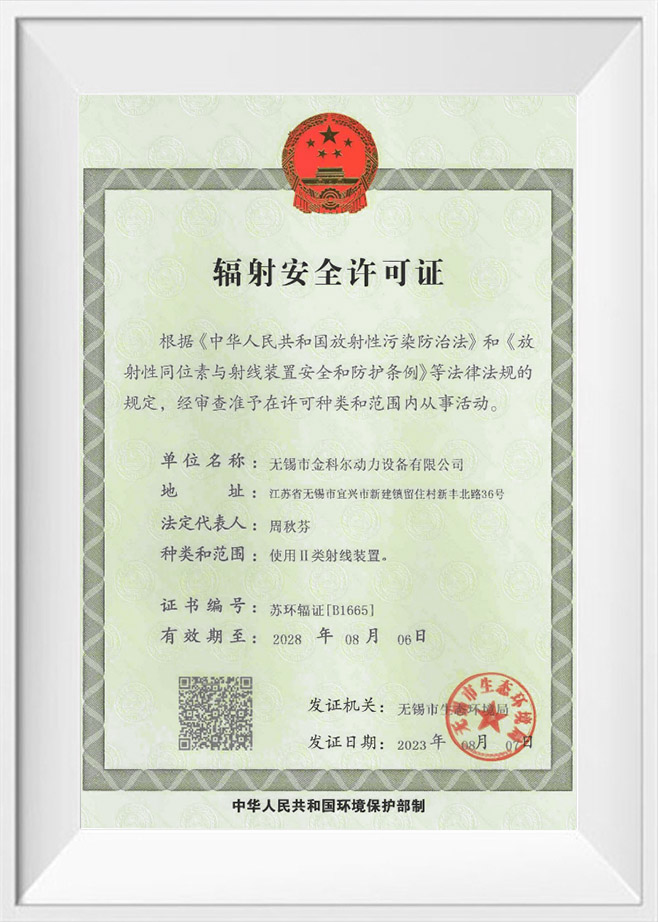
certificate
NEWS
Heat Recovery Steam Generator (HRSG) operate under demanding thermal conditions. High-temperature exhaust gases, rapid load changes, and frequent start-stop cycles all introduce significant thermal expansion and mechanical stress. How effectively an HRSG manages these forces directly influences its reliability, service life, and operating efficiency. Drawing on the fundamentals of modular HRSG design and the engineering philosophy of Wuxi Jinker Power Equipment Co., Ltd., this article explains how thermal expansion and stress are addressed in a practical, system-oriented manner.
An HRSG recovers waste heat from gas turbines, industrial furnaces, or internal combustion engines, converting it into steam or hot water to improve overall system efficiency—often by 20%–30% compared with a single gas-cycle configuration. During operation, temperature gradients can be severe: flue gas temperatures may exceed several hundred degrees Celsius at the inlet, while downstream components operate at much lower levels. These gradients cause differential expansion across tubes, headers, casings, and support structures.
If not properly managed, thermal expansion can lead to tube deformation, excessive stress at welds, fatigue cracking, and misalignment of key components. Effective HRSG design therefore focuses not only on heat transfer performance, but also on controlled movement and stress relief throughout the system.
Modern modular HRSGs divide the boiler into transportable units, simplifying logistics while also offering mechanical advantages. In Wuxi Jinker’s approach, modularization allows thermal expansion to be distributed across defined sections rather than concentrated in a single rigid structure. Each module is designed with predictable expansion behavior, reducing the risk of cumulative stress.
The modular configuration also enables flexible support arrangements. Fixed points and sliding supports are strategically positioned so that components can expand in intended directions. This balance between restraint and freedom of movement helps prevent distortion while maintaining structural stability during both steady operation and transient conditions.
Material selection plays a critical role in stress management. HRSG pressure parts are exposed to repeated thermal cycling, making creep resistance, thermal fatigue resistance, and weld integrity essential. By holding comprehensive manufacturing qualifications for pressure components, Wuxi Jinker ensures that tube materials, headers, and thick-walled components are matched to their specific temperature and pressure zones.
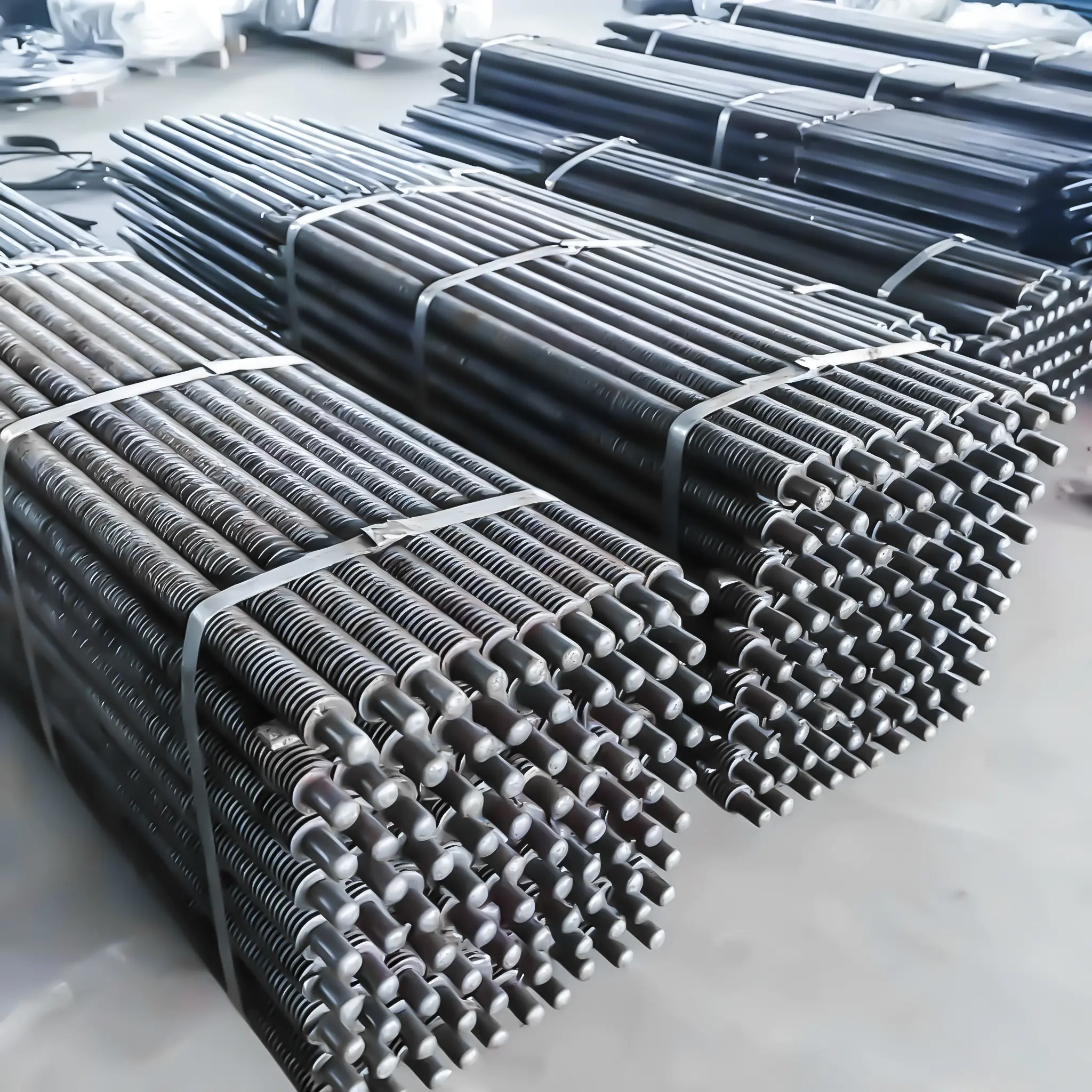
In addition, tube layouts are designed to accommodate expansion without inducing excessive bending stress. Appropriate tube pitch, bending geometry, and connection details allow tubes to grow and contract smoothly as temperatures fluctuate, reducing long-term fatigue damage.
The HRSG casing and gas path components experience different expansion behavior compared to pressure parts. To address this, expansion joints are integrated into ducting and casing interfaces. These joints absorb axial and lateral movement caused by temperature changes in the exhaust gas stream, protecting both the HRSG structure and upstream equipment such as gas turbines.
By separating gas-side expansion from pressure-side expansion, the overall system remains mechanically decoupled, minimizing the transfer of stress between components and improving long-term reliability.
Industrial HRSGs rarely operate at constant load. Start-ups, shutdowns, and partial-load operation all impose additional thermal stress. The engineering focus is therefore on durability under real operating conditions, not just nominal design points.
Wuxi Jinker’s emphasis on engineering responsibility translates into conservative stress margins, clear load path definition, and attention to details such as support stiffness and connection flexibility. These measures help ensure that the HRSG can accommodate frequent thermal cycling without compromising safety or performance.
Beyond individual design features, effective thermal stress management reflects an overall engineering philosophy. Wuxi Jinker Power Equipment Co., Ltd., based in Jiangsu, China, specializes in precision thermal energy components and serves global customers in the power, petrochemical, and heavy industry sectors. The company’s guiding belief—that engineering quality is a responsibility, not just a standard—shapes how HRSGs are designed, manufactured, and applied.
Rather than viewing the HRSG as a standalone piece of equipment, it is treated as a long-term reliability guarantee within a broader energy system. This perspective ensures that thermal expansion and stress are addressed holistically, supporting stable operation, extended service life, and dependable energy recovery performance over time.
Thermal expansion and stress are unavoidable in Heat Recovery Steam Generator operation, but their impact can be effectively managed through thoughtful design, material selection, and system integration. By combining modular construction, flexible support concepts, appropriate materials, and a responsibility-driven engineering approach, Wuxi Jinker’s HRSG solutions are engineered to operate reliably under high temperatures and fluctuating loads—helping industrial users achieve efficient, sustainable energy utilization without sacrificing long-term system integrity.
Wuxi Jinker Power Equipment Co., Ltd.






 English
  Français
  Español