-
+86-15669958270
-
-


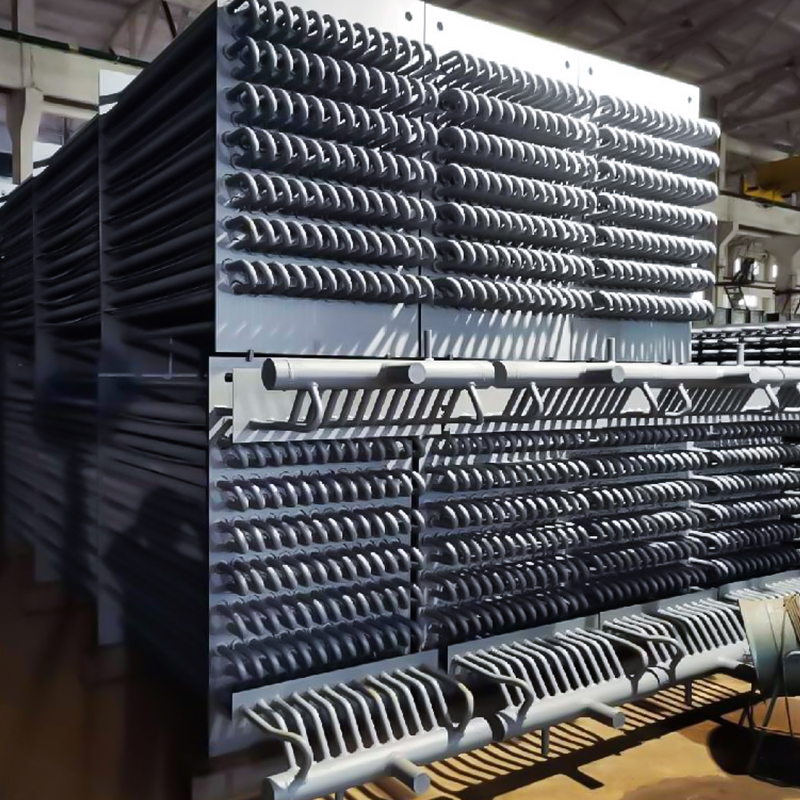
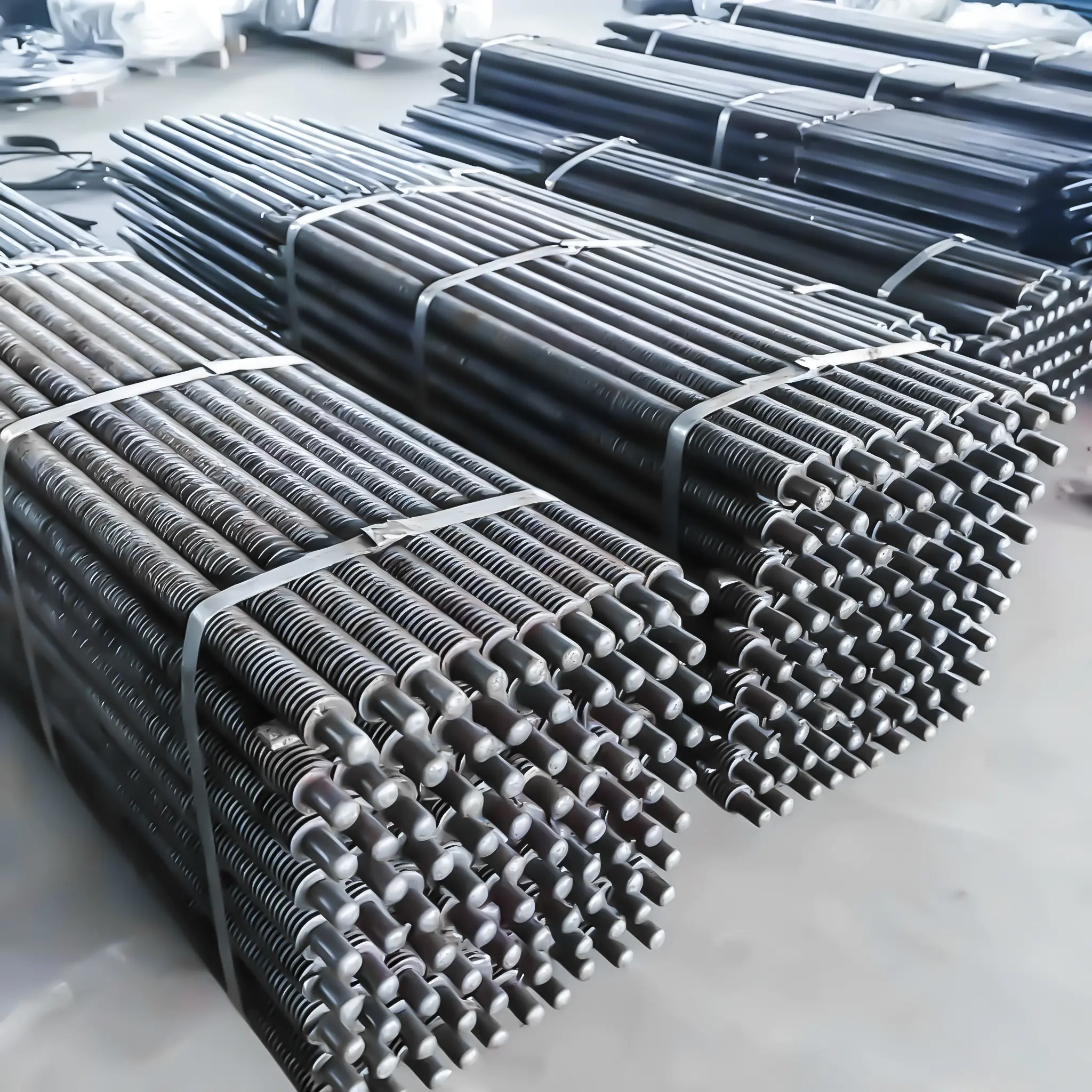
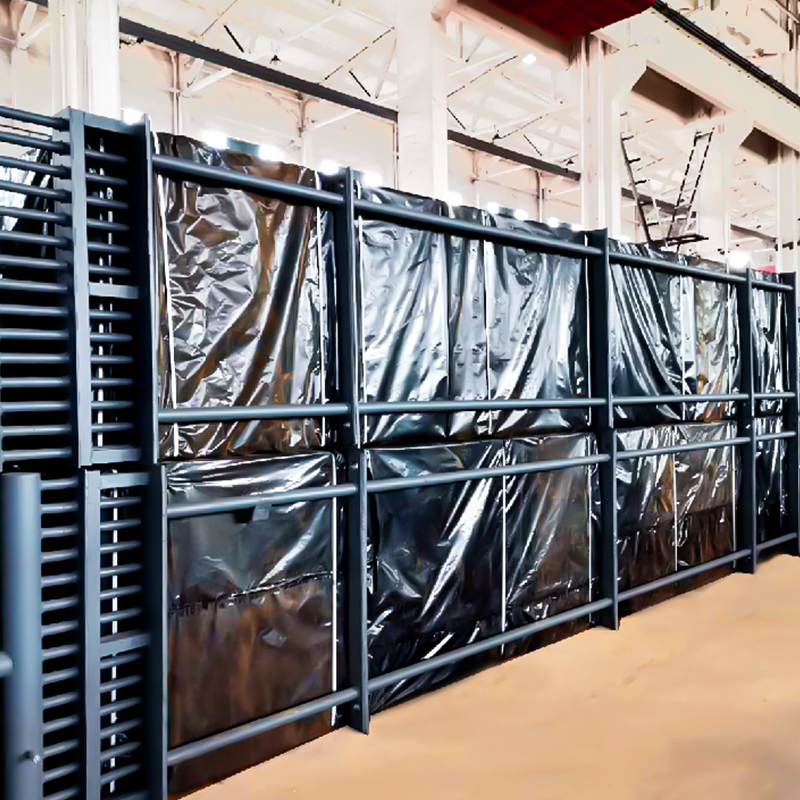
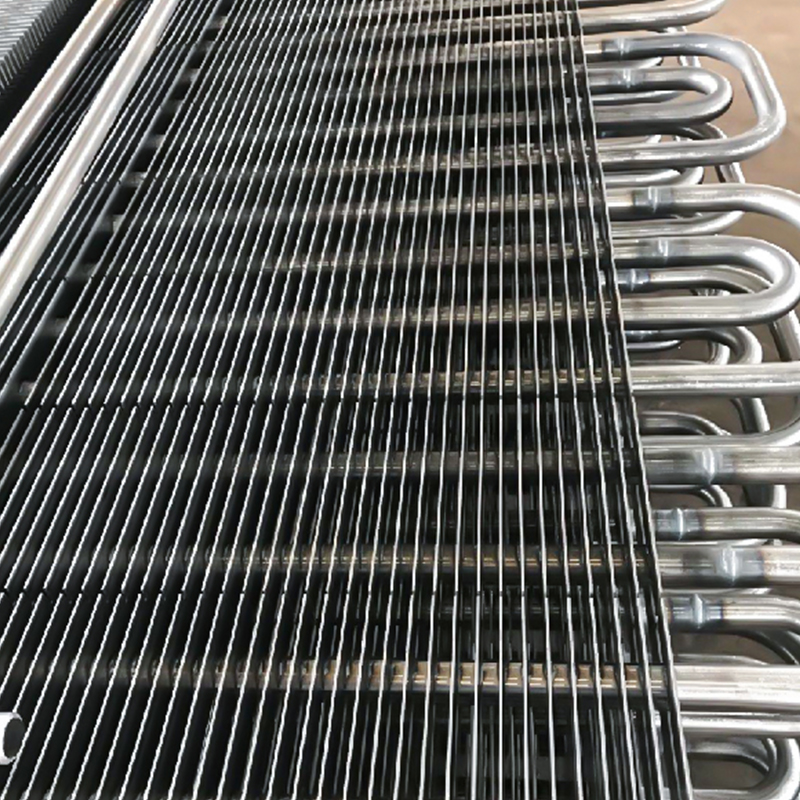
Finned tubes, by expanding heat transfer area and reducing flue gas-side thermal resistance, have become a core component for enhancing heat transfer and reducing energy consumption on low-temperature heating surfaces of boilers (economizers and air preheaters). Their application requires careful consideration of the boiler's flue gas characteristics and working fluid parameters, with the appropriate fin type (spiral fin tubes, H-shaped fin tubes, etc.) and material selection. By optimizing geometric parameters, fluid flow rates, and strengthening operational maintenance, the goals of efficient heat transfer, low energy consumption, and long life can be achieved. As boilers evolve toward higher performance and lower emissions, upgraded finned tube materials (such as new corrosion-resistant alloys) and structural optimization (such as high-efficiency, low-resistance fins) will become key future developments.
About us
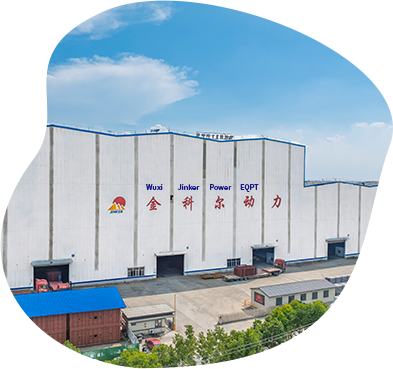


Cover An Area

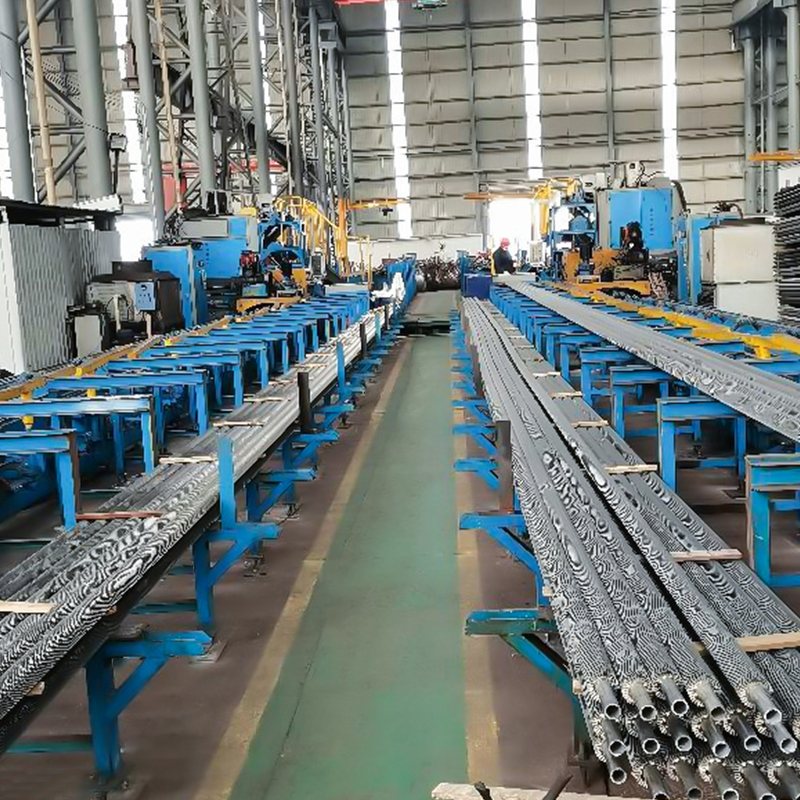
Factory Area

Employees

Export Countries
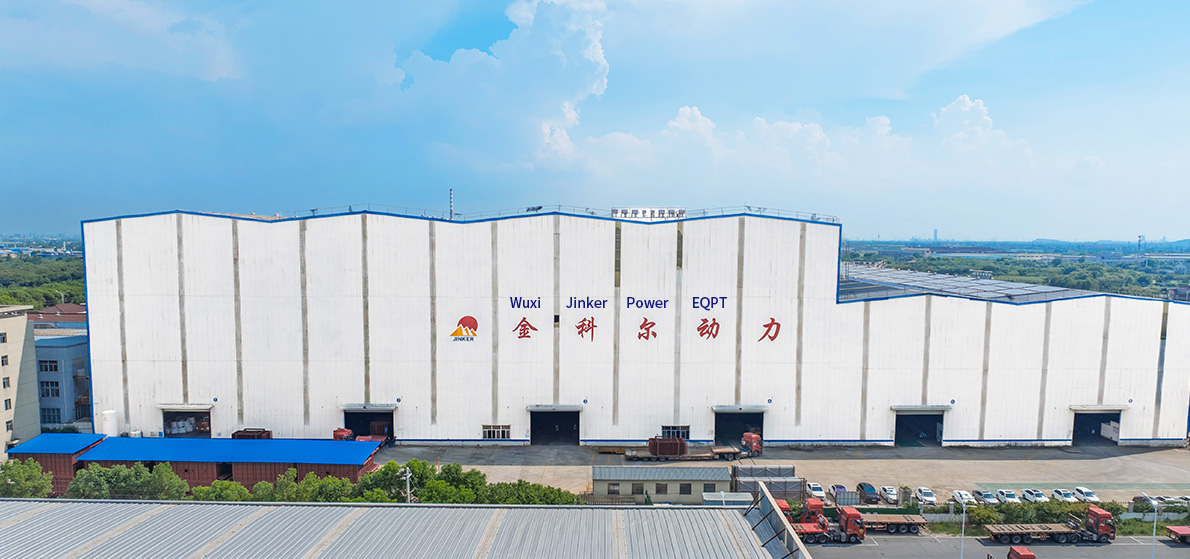
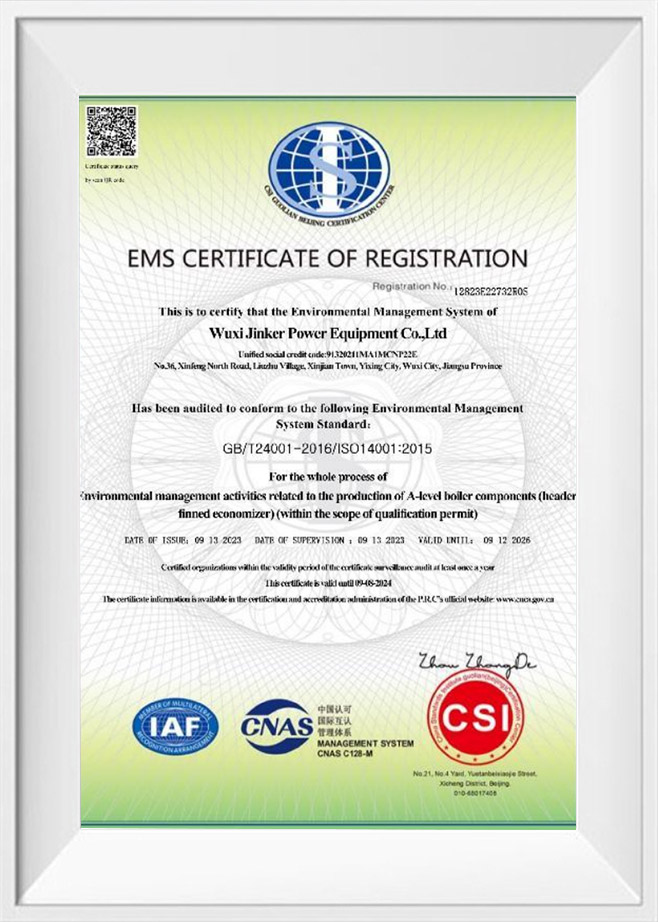
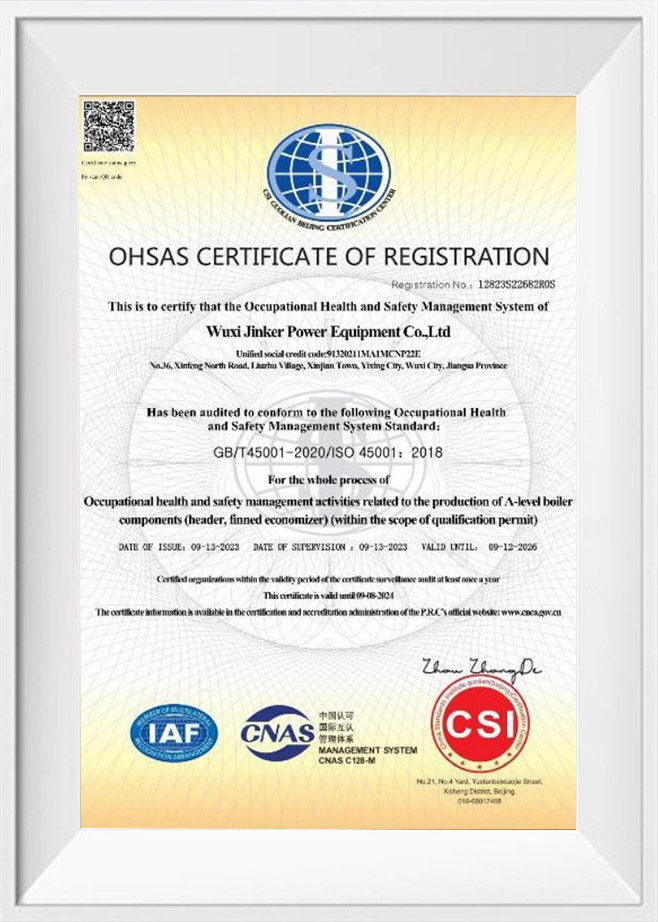
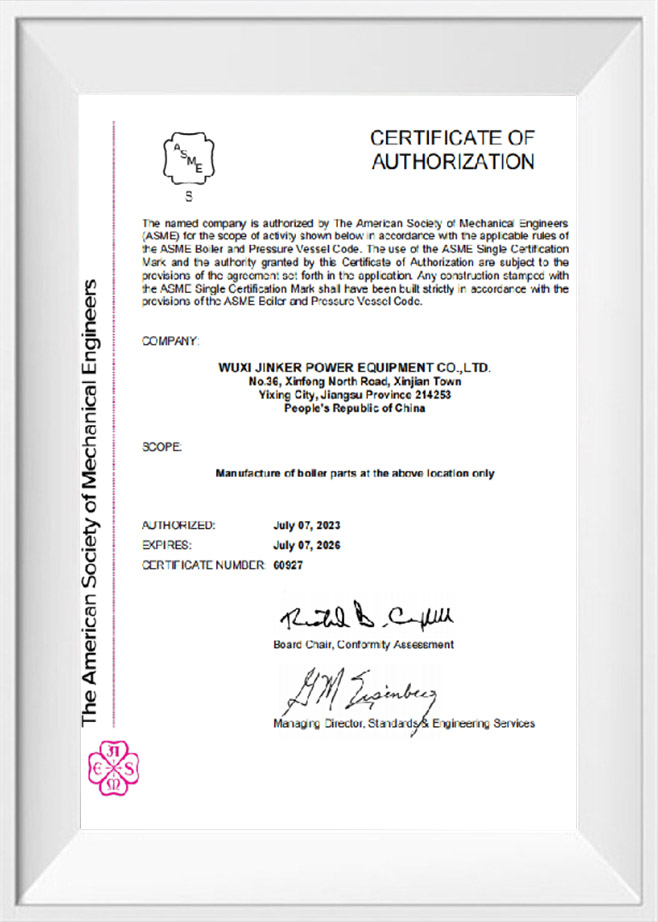
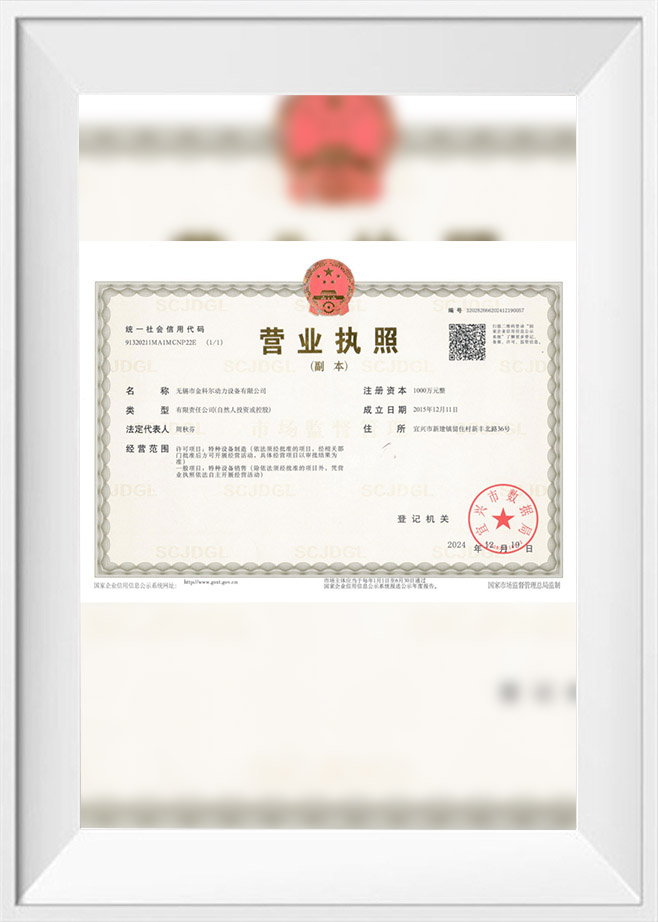
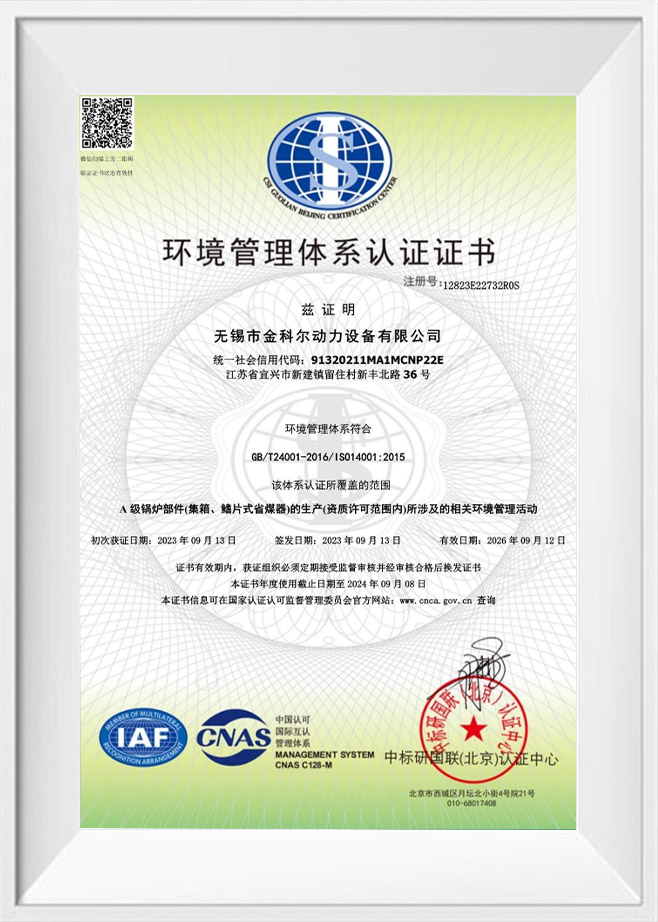
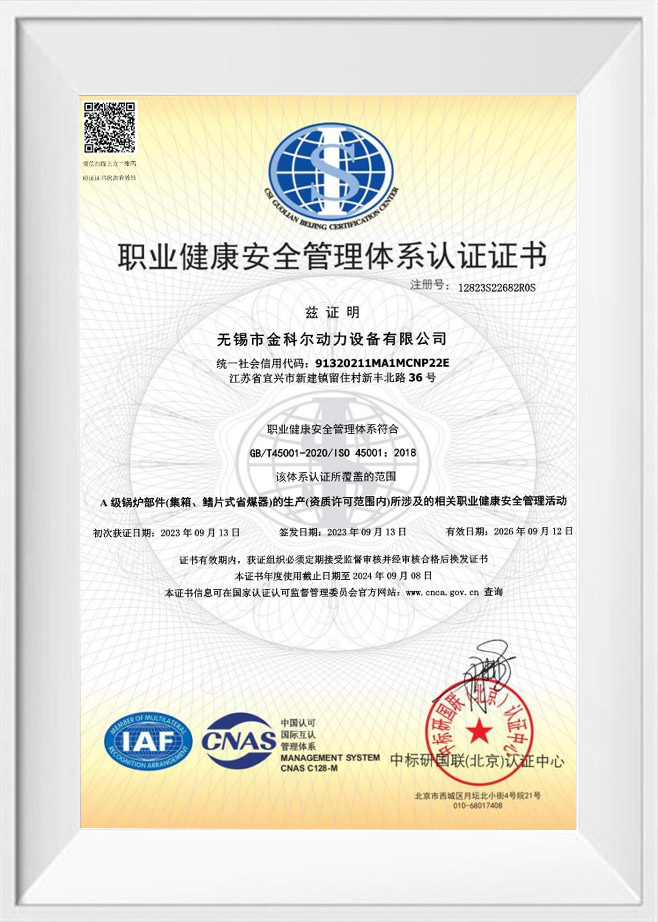
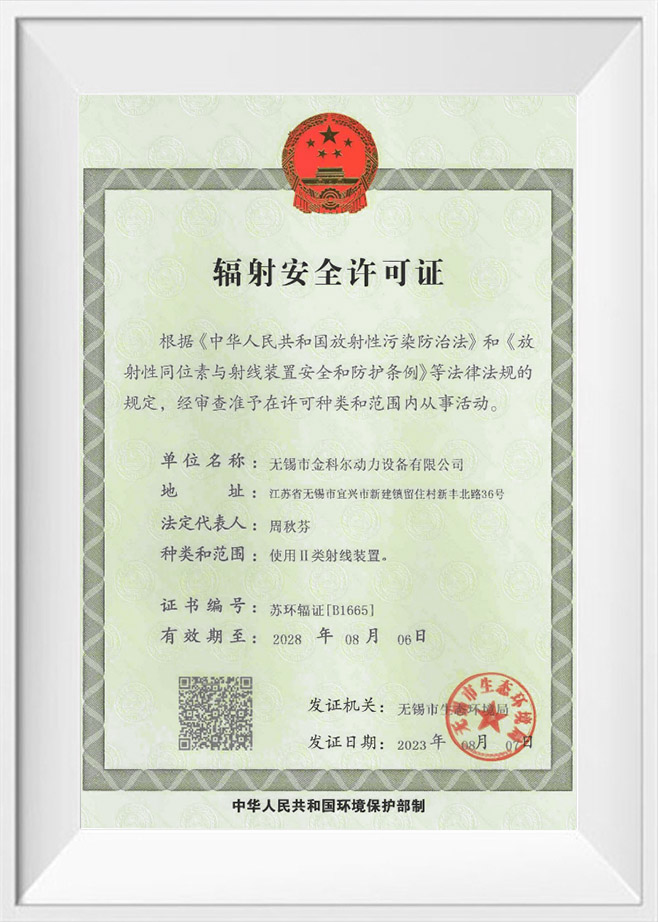
certificate
NEWS
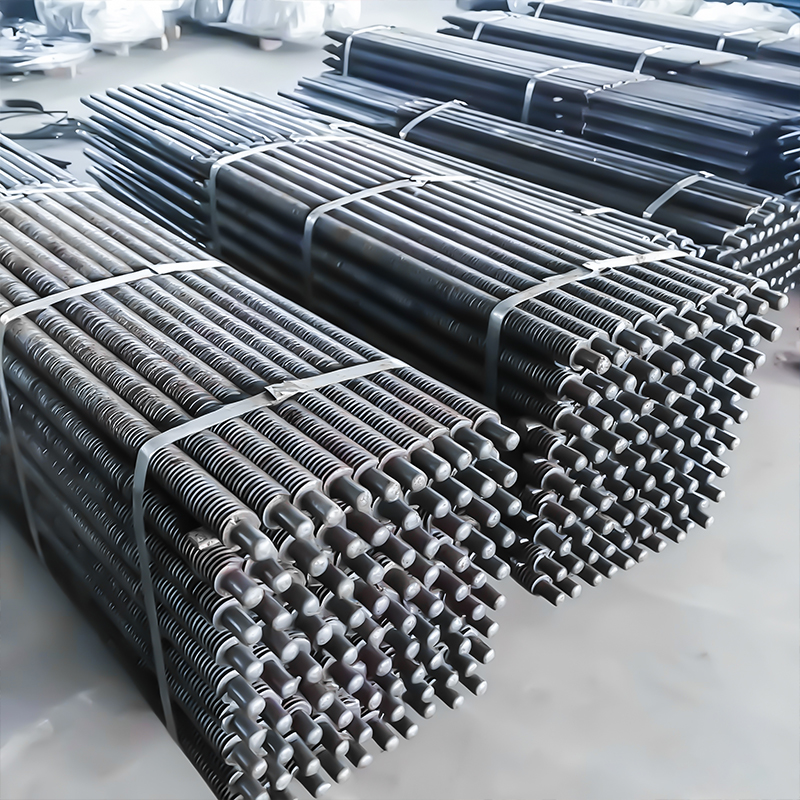
When discussing the efficiency of industrial boilers, one key component that often stands out is the finned tube. These tubes, typically designed to enhance heat transfer, play a critical role in improving boiler performance. Finned tubes are especially effective in applications where heat exchange needs to occur quickly and efficiently, such as in boilers, heat exchangers, and other industrial processes.
What makes finned tubes so beneficial is their ability to increase the surface area for heat exchange. With more surface area, the efficiency of heat transfer is significantly improved. This ultimately leads to better fuel efficiency, lower energy costs, and more sustainable operations. As we’ve seen in many of our projects, the right choice of finned tube can have a direct impact on the overall performance of your heating system.
Not all finned tubes are created equal, especially when it comes to boiler systems. The type of finned tube you select can make a significant difference in efficiency and longevity. Some common types include:
The choice of materials for finned tubes is vital in ensuring durability and thermal performance in high-temperature environments like boilers. Some commonly used materials include:
Boiler finned tube play a crucial role in improving boiler efficiency by maximizing heat transfer. The increased surface area of finned tubes allows for better heat exchange between the flue gases and the water within the boiler. This enhancement leads to faster steam generation and the ability to operate at lower temperatures, which translates into reduced energy consumption and higher overall efficiency. This is where choosing the right finned tube can truly make a difference in both performance and cost savings over time.
If you are considering upgrading your boiler or replacing components, selecting the appropriate finned tube type and material will be essential. Finned tubes help reduce fuel consumption and increase the boiler’s output while keeping operational costs in check. The result is not only a more efficient system but also an investment that pays off in the long term.
When selecting finned tubes for your boiler system, several factors should be taken into account:
As industrial applications evolve, so do the technologies behind finned tubes. In recent years, there has been a rise in the development of advanced materials and tube designs aimed at improving performance and durability. For example, coatings that reduce fouling or corrosion are becoming increasingly popular, providing even longer service life and reduced maintenance needs. Additionally, enhanced manufacturing processes have allowed for the creation of finned tubes with even higher surface area ratios, further improving heat transfer efficiency.
These innovations have led to finned tubes that not only perform better but also last longer and require less upkeep. By choosing high-tech options, you can ensure that your boiler operates at peak efficiency for many years to come.
As industries become more environmentally conscious, the role of finned tubes for boiler in achieving energy efficiency cannot be understated. With their ability to significantly reduce energy consumption and enhance overall system performance, finned tubes help companies meet sustainability goals. By investing in the right finned tubes, businesses can reduce their carbon footprint and contribute to energy conservation, all while improving their bottom line. It’s a win-win situation for both your operations and the environment.
| Tube Type | Material | Applications |
| Spiral Finned Tube | Carbon Steel | Low fluid velocity applications |
| Extruded Finned Tube | Stainless Steel | High-temperature boiler systems |
| Louvered Finned Tube | Copper Alloy | Turbulent heat transfer applications |
Wuxi Jinker Power Equipment Co., Ltd.






 English
  Français
  Español