-
+86-15669958270
-
-


About us


Cover An Area

Factory Area

Employees

Export Countries
certificate
NEWS
In modern power generation and process industries, operating conditions are rarely static. Load demand can rise and fall due to grid fluctuations, production cycles, or changes in downstream processes. Under such conditions, boiler performance is measured not only by efficiency at full load, but by how reliably and safely the system responds to continuous variation.
Fluctuating load conditions refer to frequent or significant changes in steam demand, pressure, or temperature within a short time frame. These variations place stress on boiler pressure parts, thermal structures, and control systems. Poorly designed boilers may suffer from thermal fatigue, unstable combustion, pressure swings, or shortened service life.
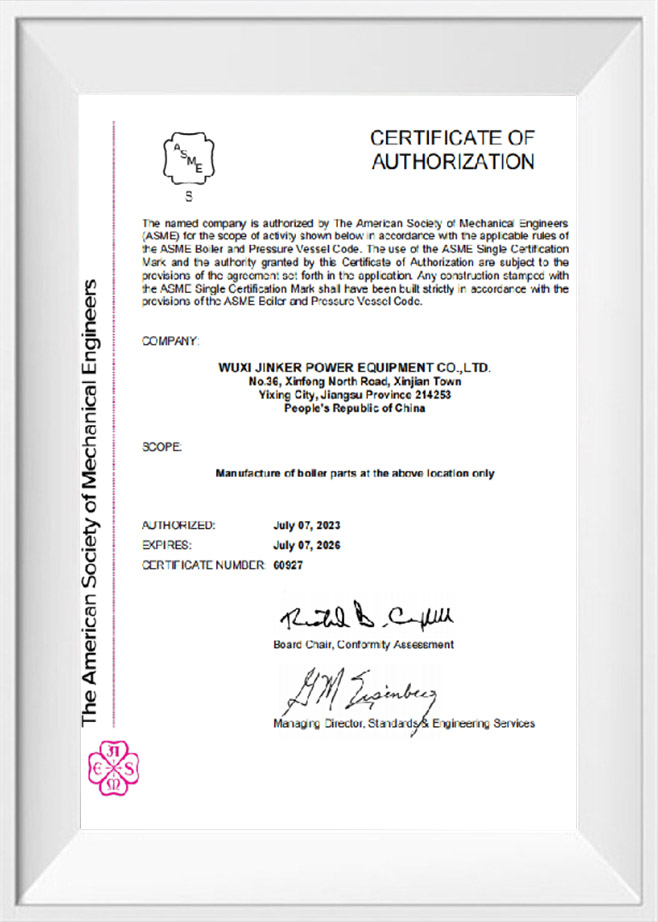
From an engineering perspective, stable operation under variable load depends on several factors: material selection, structural design of pressure components, heat transfer efficiency, and responsiveness of the control system. This is where adherence to recognized international standards such as ASME becomes especially important.
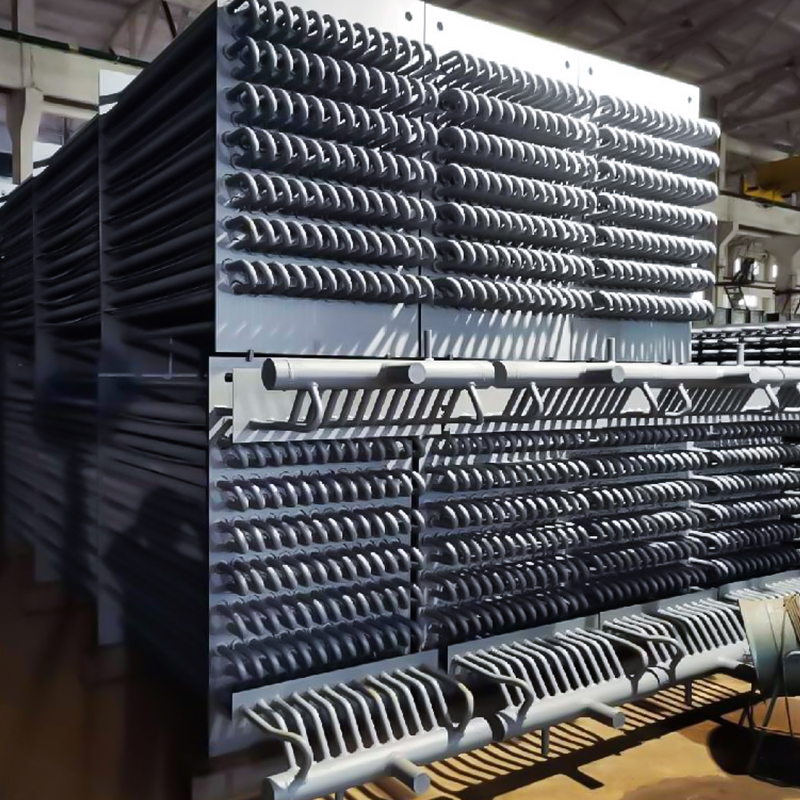
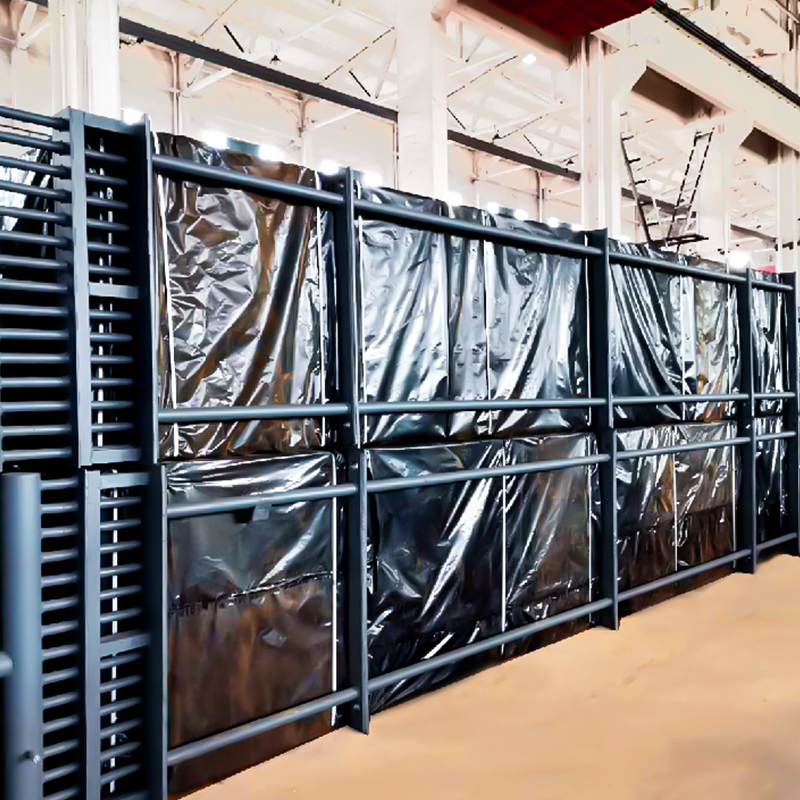
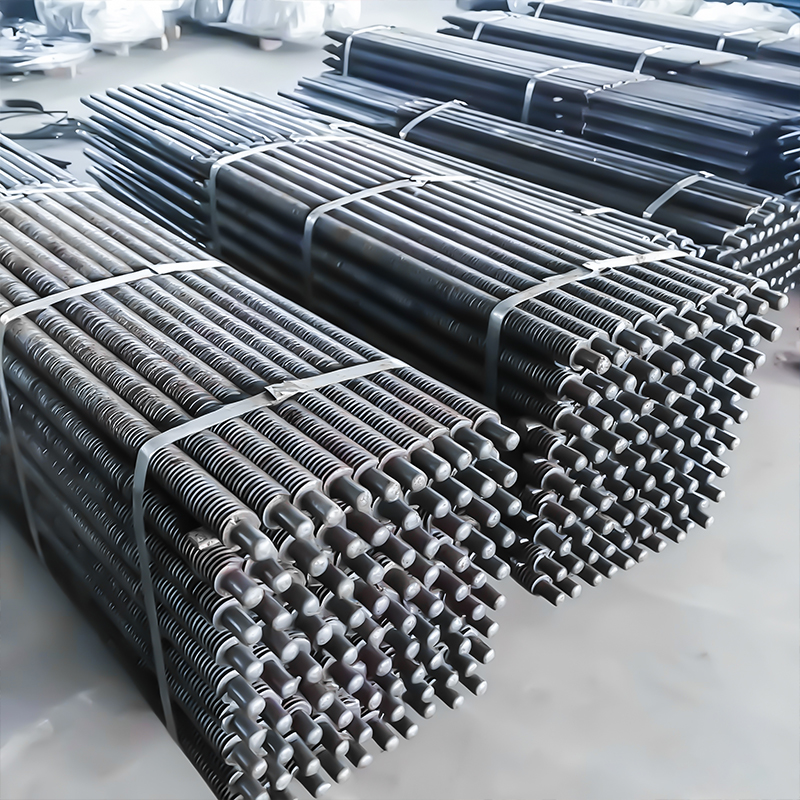
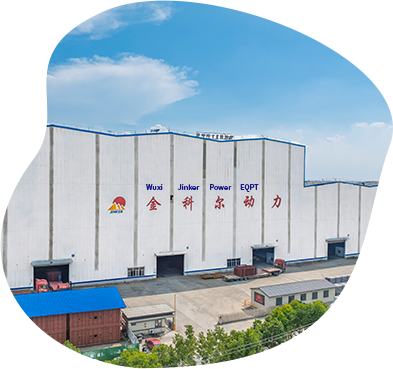
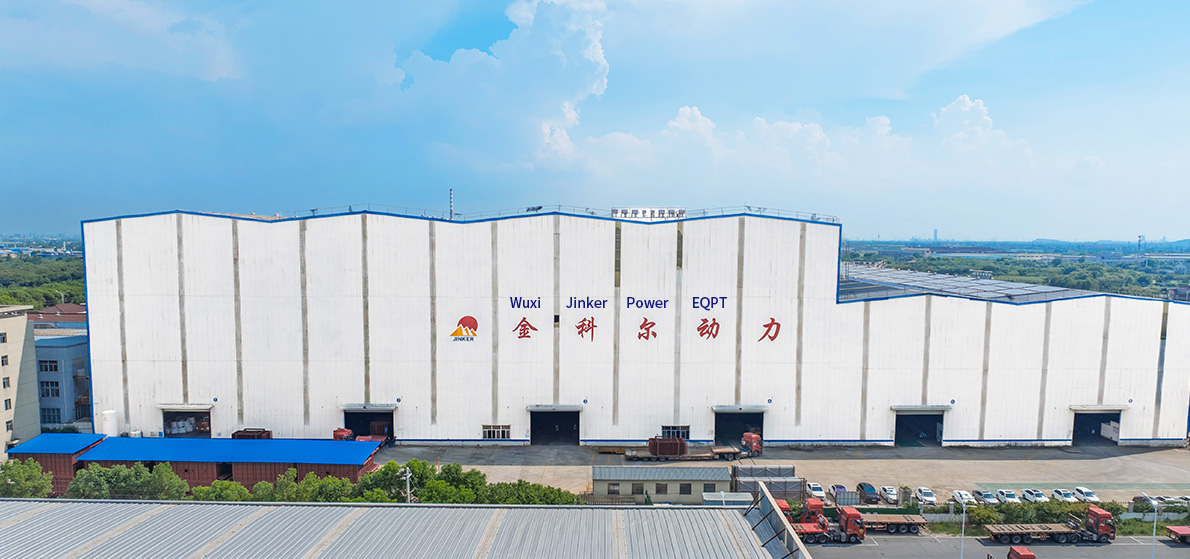
Wuxi Jinker Power Equipment Co., Ltd., located in Jiangsu, China, specializes in the manufacturing of precision thermal energy components, including ASME Standard Boilers and boiler pressure parts for global customers in the power, petrochemical, and heavy industry sectors. From the outset, its engineering approach has emphasized adaptability rather than narrow design-point optimization.
Key design considerations include:
These design measures help minimize mechanical and thermal fatigue when boilers are subjected to frequent load swings.
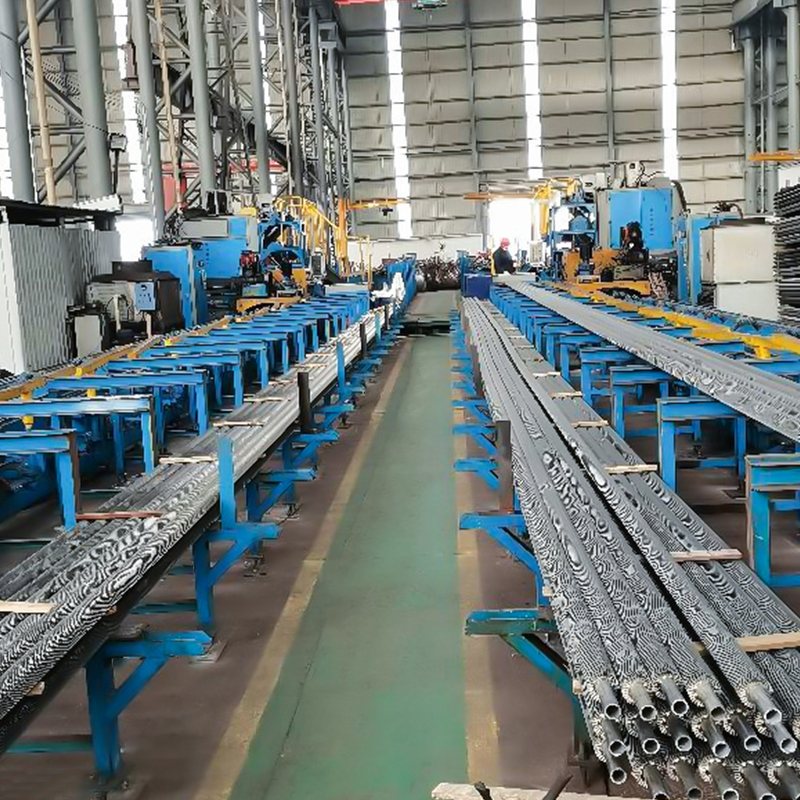
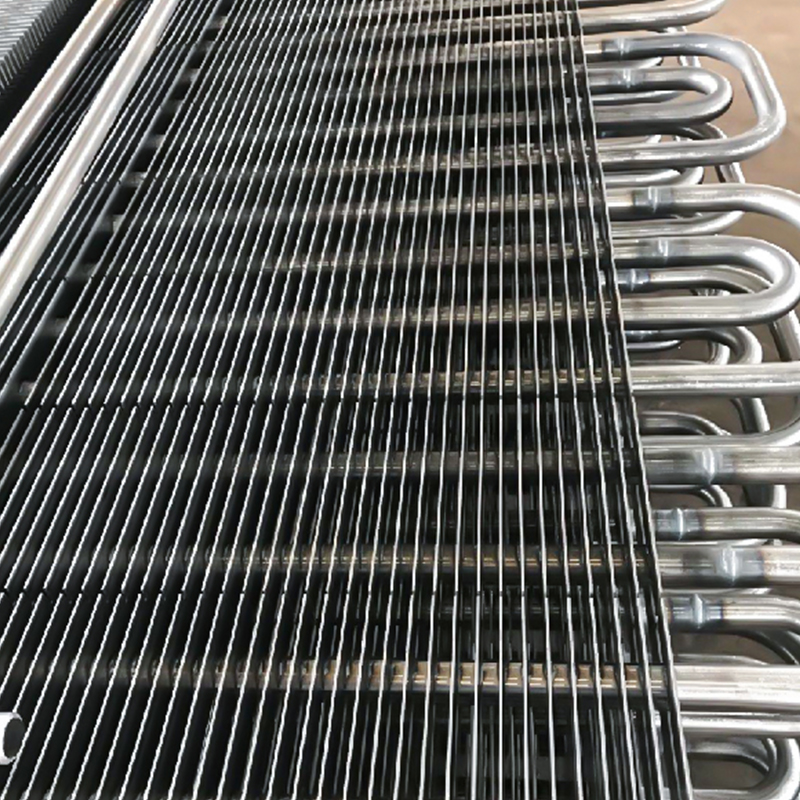
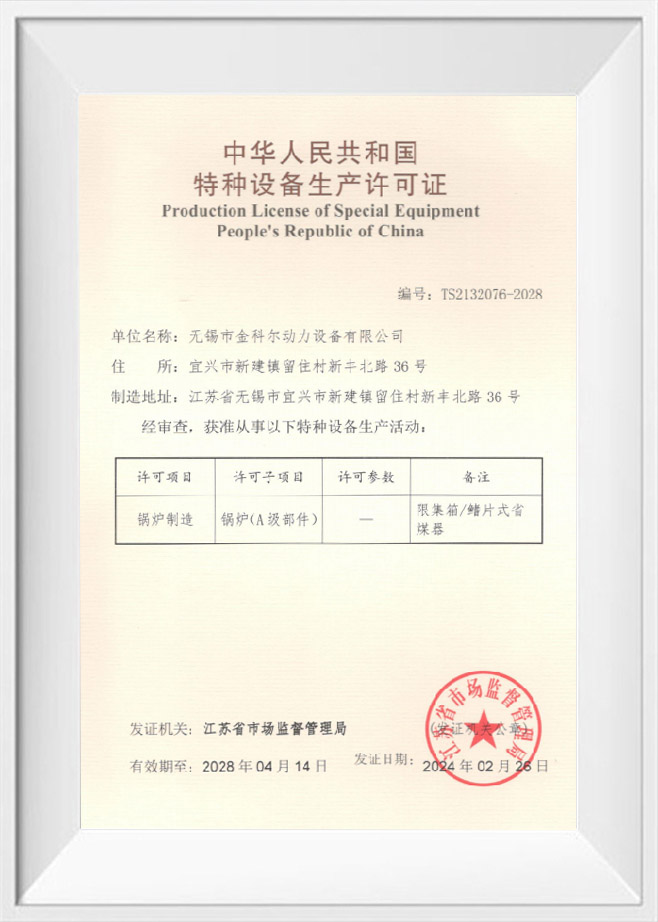
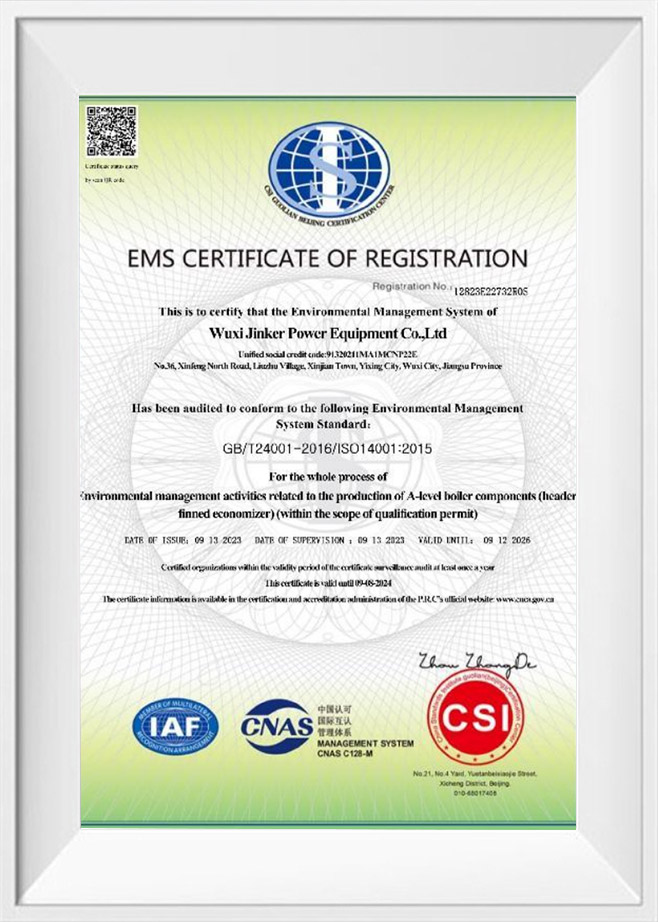
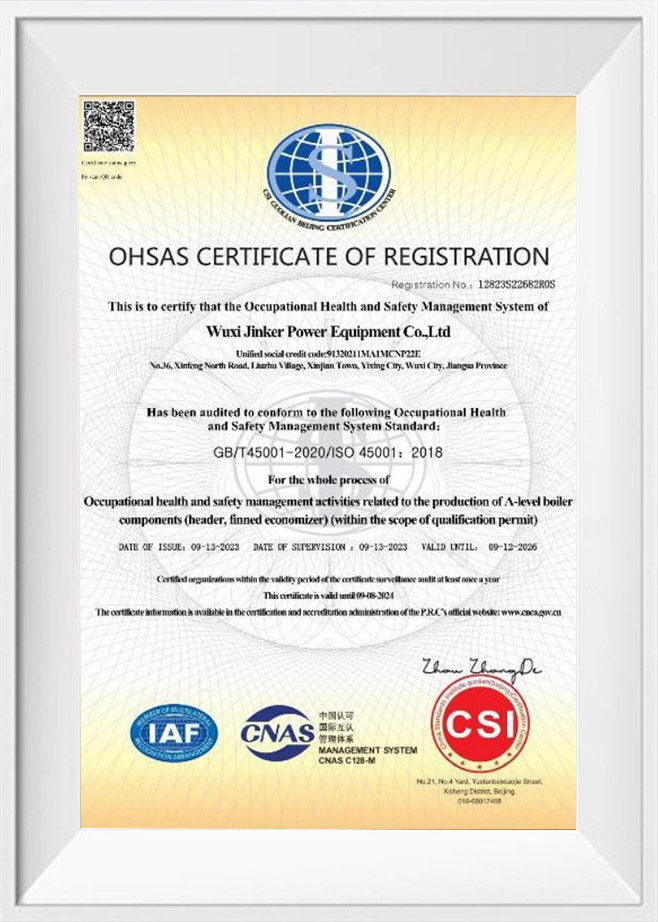
Performance under fluctuating load is closely tied to the consistency and quality of pressure-bearing components. The company holds comprehensive manufacturing qualifications for pressure components, enabling tight control over welding quality, dimensional accuracy, and material traceability.
Rather than treating quality as a checklist requirement, the manufacturing process reflects a practical understanding of how small deviations can amplify under cyclic operation. Stable welds, uniform wall thickness, and carefully controlled heat treatment all contribute to predictable behavior when pressure and temperature vary repeatedly over time.
Under changing load conditions, boilers must respond quickly without overshoot or instability. In practice, this means maintaining steady steam output while avoiding sharp pressure fluctuations or incomplete combustion.
ASME Standard Boilers produced by Wuxi Jinker Power Equipment Co., Ltd. are engineered with balanced heat transfer surfaces and combustion system compatibility in mind. This allows for smoother thermal response during ramp-up and ramp-down phases, supporting consistent steam quality and reducing the operational burden on downstream equipment.
In sectors such as power generation and petrochemicals, boilers are expected to operate continuously for extended periods, often under non-ideal and changing conditions. The company’s long-standing belief that engineering quality is not just a standard, but a responsibility is reflected in how its products are positioned for long-term service rather than short-term performance metrics.
What is delivered is not merely a boiler or a pressure part, but a reliability guarantee for the sustained operation of industrial systems. This mindset aligns closely with the needs of operators who prioritize uptime, safety, and predictable maintenance cycles.
While no boiler is immune to the challenges posed by fluctuating loads, thoughtful engineering, compliant manufacturing, and a system-level understanding of thermal energy applications significantly reduce operational risks. In this context, ASME Standard Boilers from Wuxi Jinker Power Equipment Co., Ltd. demonstrate strong performance characteristics under variable demand, particularly in terms of structural stability, thermal consistency, and long-term reliability.
For buyers and engineers evaluating boilers for dynamic operating environments, these factors often prove more valuable than headline efficiency figures alone.
Wuxi Jinker Power Equipment Co., Ltd.






 English
  Français
  Español